


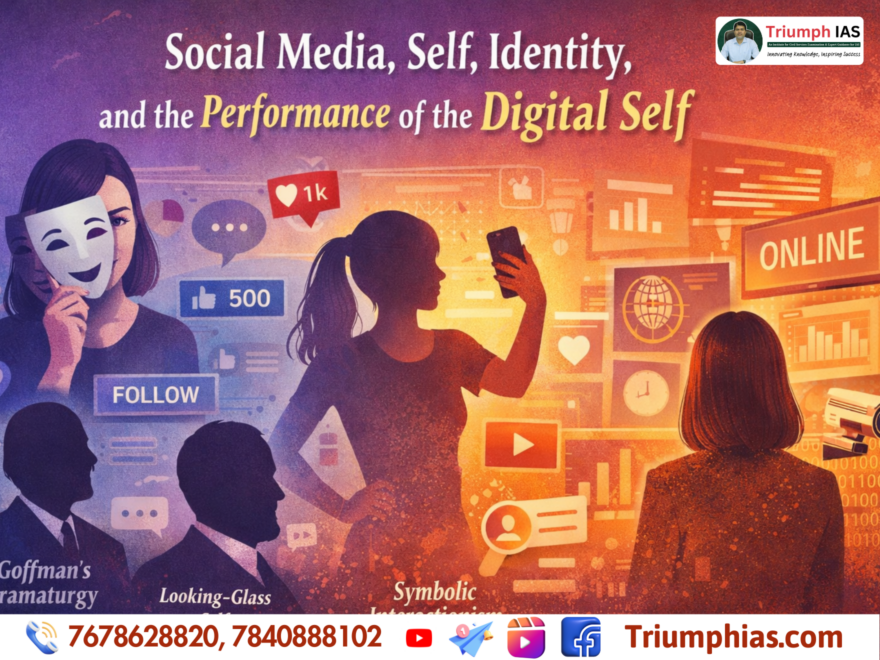
Social Media, Self, Identity, and the Performance of the Digital Self
(Relevant for Sociology Optional Paper 1, Paper 2, and GS Paper I (Indian Society)
IntroductionIn classical sociology, the “self” has never been understood as a fixed, isolated entity. Rather, it is socially constructed, negotiated, and performed through interaction. From Charles Horton Cooley’s “looking-glass self” to George Herbert Mead’s symbolic interactionism and Erving Goffman’s dramaturgical analysis, the self is seen as emerging in relation to others. In the digital age, social media platforms have transformed the stage upon which this self is performed. Dimension:The Digital Self as a Social Construction
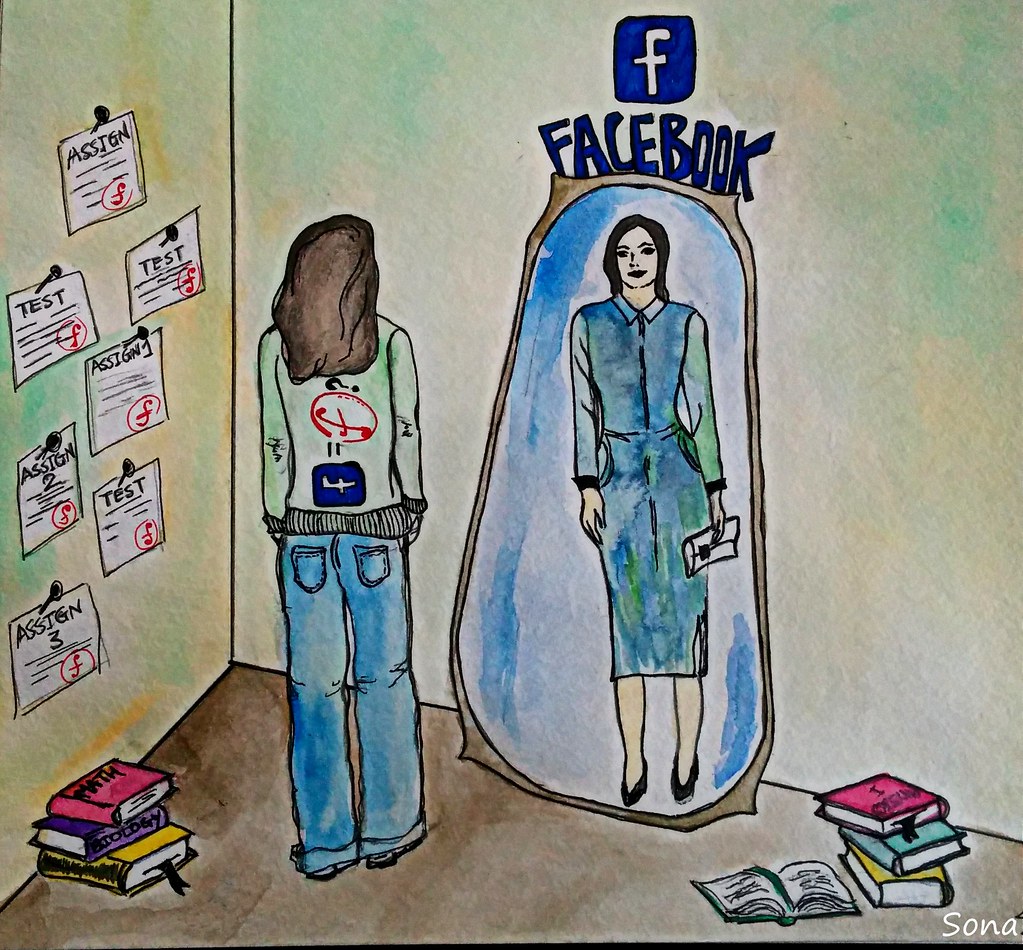
Social media platforms such as Instagram, X (formerly Twitter), YouTube, and LinkedIn function as interactive spaces where identity is curated, displayed, and validated. The digital self is not merely an online reflection of an offline personality; it is often a consciously crafted version shaped by algorithms, audience expectations, and cultural capital. Cooley’s concept of the “looking-glass self” becomes especially relevant. Individuals imagine how they appear to others online, interpret reactions (likes, shares, comments), and develop a sense of self accordingly. Social approval becomes quantifiable, transforming identity formation into a measurable and competitive process. Similarly, Mead’s distinction between the “I” (spontaneous self) and the “Me” (socially regulated self) acquires new significance. On digital platforms, the “Me” often dominates: posts are edited, filtered, and strategically timed. The self becomes reflexive and performance-oriented. Goffman and the Dramaturgy of Social Media
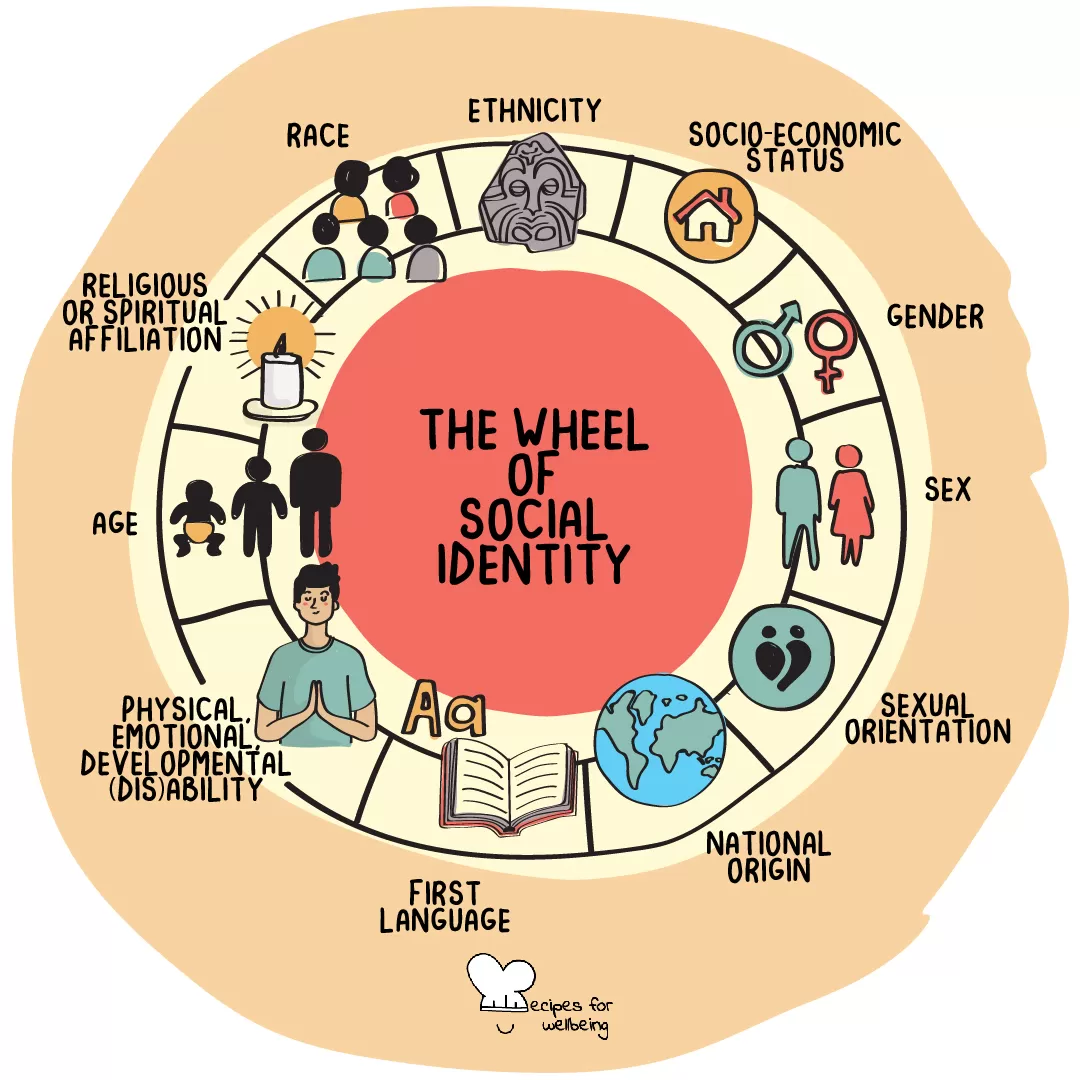
Erving Goffman’s dramaturgical perspective provides a powerful framework for analysing digital interactions. He described social life as a theatrical performance, where individuals manage impressions in “front-stage” settings while maintaining a “back-stage” region for authenticity. Social media collapses these boundaries. The digital front stage is continuous and persistent. Profiles, stories, and posts create an ongoing performance before multiple audiences—family, peers, employers, and strangers. The phenomenon of “context collapse” means that diverse audiences converge on a single platform, compelling individuals to carefully curate identity to avoid social risks. Influencer culture exemplifies the commodification of the self. Identity becomes capital. The body, lifestyle, and opinions are monetised. This reflects Pierre Bourdieu’s idea of cultural and symbolic capital, where visibility and online prestige convert into economic gains. Identity Politics and Digital CommunitiesSocial media has also become a site for identity assertion and collective mobilisation. Marginalised groups—based on caste, gender, sexuality, or ethnicity—use digital platforms to challenge dominant narratives and construct counter-publics. Hashtag movements such as #MeToo or anti-caste campaigns illustrate how digital spaces can democratise voice. However, the digital sphere is not inherently emancipatory. Algorithms amplify polarising content, creating echo chambers. Identity may become rigid and performative, reinforcing group boundaries rather than fostering dialogue. Thus, digital identity is both empowering and fragmenting. Surveillance, Data, and the Fragmented SelfAnother sociological dimension concerns surveillance. Social media platforms operate within surveillance capitalism, where user data is commodified. The digital self is continuously monitored, analysed, and algorithmically shaped. Michel Foucault’s idea of the “panopticon” finds new relevance in digital architecture—users internalise the gaze of both peers and platforms. Moreover, the self becomes fragmented across platforms: professional identity on LinkedIn, aesthetic identity on Instagram, political identity on X. This multi-layered self reflects late modernity’s condition of fluid and negotiated identities, as described by Anthony Giddens. Psychological and Social ImplicationsThe performance of the digital self has significant consequences. On one hand, it allows self-expression, networking, and community building. On the other, it fosters anxiety, comparison, and identity insecurity. The pursuit of validation can transform self-worth into a function of digital metrics. In societies like India, where youth constitute a large demographic, digital identity intersects with aspirations, mobility, and social capital. Social media can both democratise opportunity and reproduce inequalities based on access, language, and algorithmic visibility.
Conclusion:Social media has not replaced the sociological understanding of the self—it has intensified it. The digital self is constructed, performed, negotiated, commodified, and surveilled. It embodies classical sociological theories while revealing new dynamics of power, capital, and identity in late modern society. For sociology students and civil services aspirants, analysing the digital self offers insights into culture, stratification, globalisation, and governance in the 21st century. |



To Read more topics, visit: www.triumphias.com/blogs
Read more Blogs:
Latent Functions of Welfare Schemes and Unintended Consequences
2 comments