



Caste, Class, and Gender in the New Middle Class
(Relevant for Sociology Optional Paper 1, Paper 2, and GS Paper I (Indian Society)
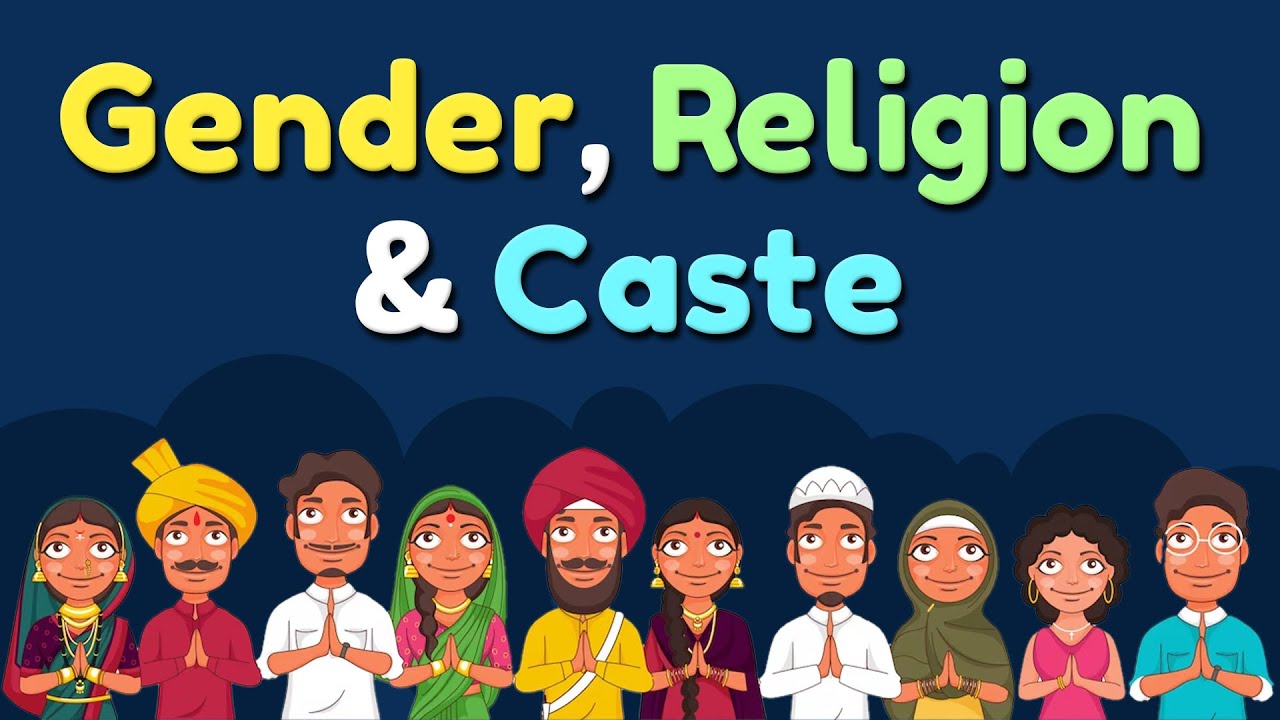
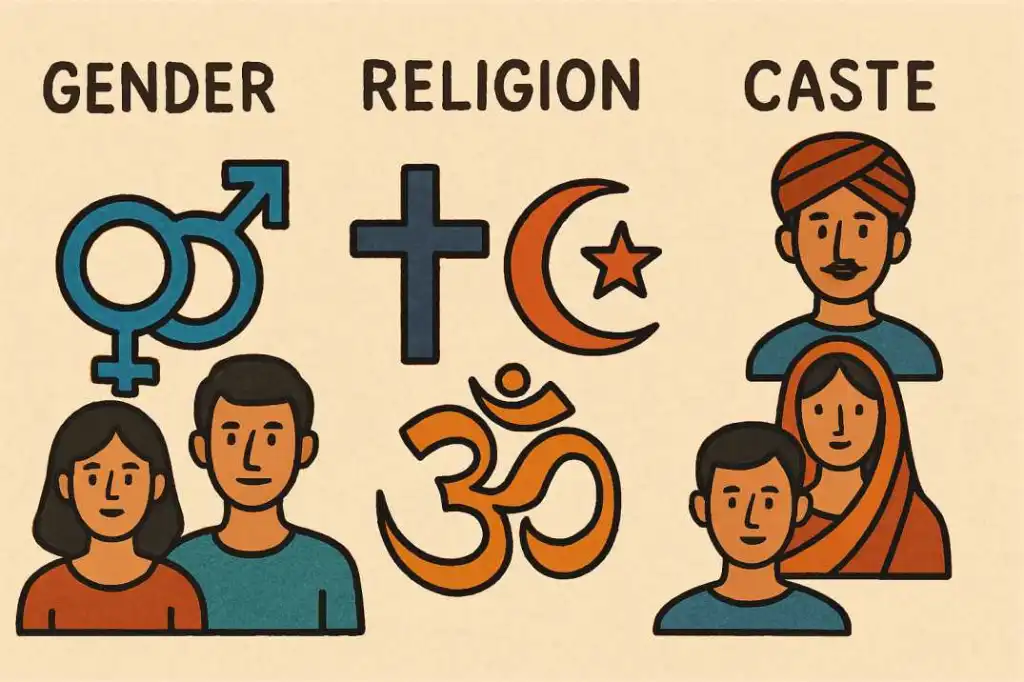
IntroductionThe expansion of India’s “new middle class” since the 1990s has often been celebrated as evidence of liberalization-led growth, aspirational consumption, and expanding opportunity structures. Yet, a sociological interrogation reveals that this middle class is neither socially homogeneous nor structurally neutral. Rather, it is a site where caste, class, and gender intersect in complex and often contradictory ways.
Dimension:The Making of the New Middle ClassPost-1991 economic reforms reconfigured India’s occupational structure, expanding the service sector, IT industries, finance, education, and state-linked contractual employment. This process created new avenues of mobility, particularly for those equipped with educational capital and urban access. However, mobility has not been uniformly distributed. Sociologists such as Dipankar Gupta argue that India’s middle class is defined less by shared civic culture and more by consumption practices and lifestyle markers. In this sense, the “new” middle class is often more a cultural formation than a strictly economic category. Caste and the Reproduction of Advantage
Despite narratives of meritocracy, caste continues to shape access to education, employment networks, and social capital. Upper-caste groups historically accumulated educational and bureaucratic capital during the colonial and early postcolonial periods. These advantages translated effectively into the liberalized economy. Pierre Bourdieu’s framework of cultural capital and habitus helps explain how middle-class status is reproduced across generations. English-medium schooling, coaching culture, professional networks, and urban residence create a cumulative advantage. Even in sectors that claim caste neutrality—such as IT or corporate services—informal networks, marriage alliances, and residential clustering reflect caste-coded preferences. At the same time, affirmative action policies have facilitated the entry of historically marginalized communities into middle-class occupations. This has generated what some scholars call a “new Dalit middle class,” which negotiates upward mobility alongside persistent experiences of discrimination and symbolic exclusion. Class Mobility and PrecarityThe new middle class is internally stratified. It includes secure public sector professionals, private corporate employees, small entrepreneurs, and precariously employed gig workers. Unlike the older state-dependent middle class, many new entrants face job insecurity, contract-based employment, and high urban living costs. Sociologically, this reflects a shift from Fordist stability to neoliberal flexibility. While consumption patterns—smartphones, SUVs, gated communities—signal affluence, debt-financed lifestyles and uncertain employment expose the fragility of this class position. Thus, class identity is aspirational but structurally vulnerable. Gender and the Double Burden
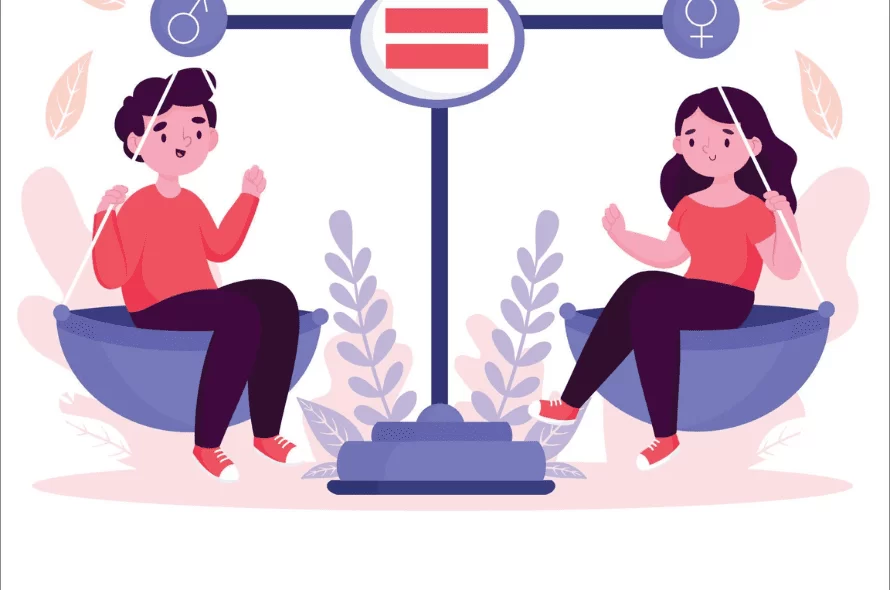
Gender relations within the new middle class demonstrate both transformation and continuity. Increased female education and workforce participation suggest empowerment. Women are visible in corporate offices, academia, civil services, and entrepreneurship. However, this visibility does not automatically dismantle patriarchal norms. The “double burden” persists: professional women remain primarily responsible for unpaid domestic labor and caregiving. Marriage markets still privilege caste endogamy and gender conformity. The ideology of the “modern yet traditional woman” reveals the coexistence of liberal aspirations and conservative social controls. Intersectionality is crucial here. A middle-class woman’s experience differs significantly based on caste location, region, and family background. For instance, upper-caste women may face symbolic expectations of maintaining family honor, while women from marginalized castes may confront both gender and caste-based exclusion even after economic mobility. Consumption, Identity, and Symbolic BoundariesThe new middle class constructs identity through consumption—brands, education, lifestyle, and digital presence. Gated communities, private schooling, and English proficiency function as boundary markers distinguishing the middle class from both the rural poor and the urban informal sector. Yet these boundaries are not merely economic. They are also cultural and moral. The middle class often positions itself as meritocratic, disciplined, and “modern,” implicitly contrasting itself with imagined “backward” others. Such moral hierarchies reproduce subtle forms of caste and class exclusion. Conclusion:The new middle class in India is not a rupture from the past but a reconfiguration of historical hierarchies under new economic conditions. Caste continues to shape opportunity, class structures aspiration and insecurity, and gender mediates access to autonomy. Understanding this formation requires moving beyond celebratory narratives of growth to a structural analysis of inequality. For sociology, the new middle class is a laboratory of social change—where liberalization, identity, mobility, and hierarchy intersect. It reflects both the promise of democratized opportunity and the persistence of deeply embedded social stratifications. |



UPSC Civil Services (Mains) Question
The rise of the new middle class in post-liberalization India represents continuity rather than rupture in caste and gender hierarchies.” Critically examine. (250 words)
To Read more topics, visit: www.triumphias.com/blogs
Read more Blogs:
Inequality in India: Wealth Concentration and Social Polarisation
Social Media, Self, Identity, and the Performance of the Digital Self
A nuanced and thought-provoking exploration of how caste, class, and gender continue to shape identity, opportunity, and mobility within India’s evolving new middle class.