



Bureaucracy, Red Tape, and Governance Deficit in India
(Relevant for Sociology Paper 1, Paper 2 , GS Society)
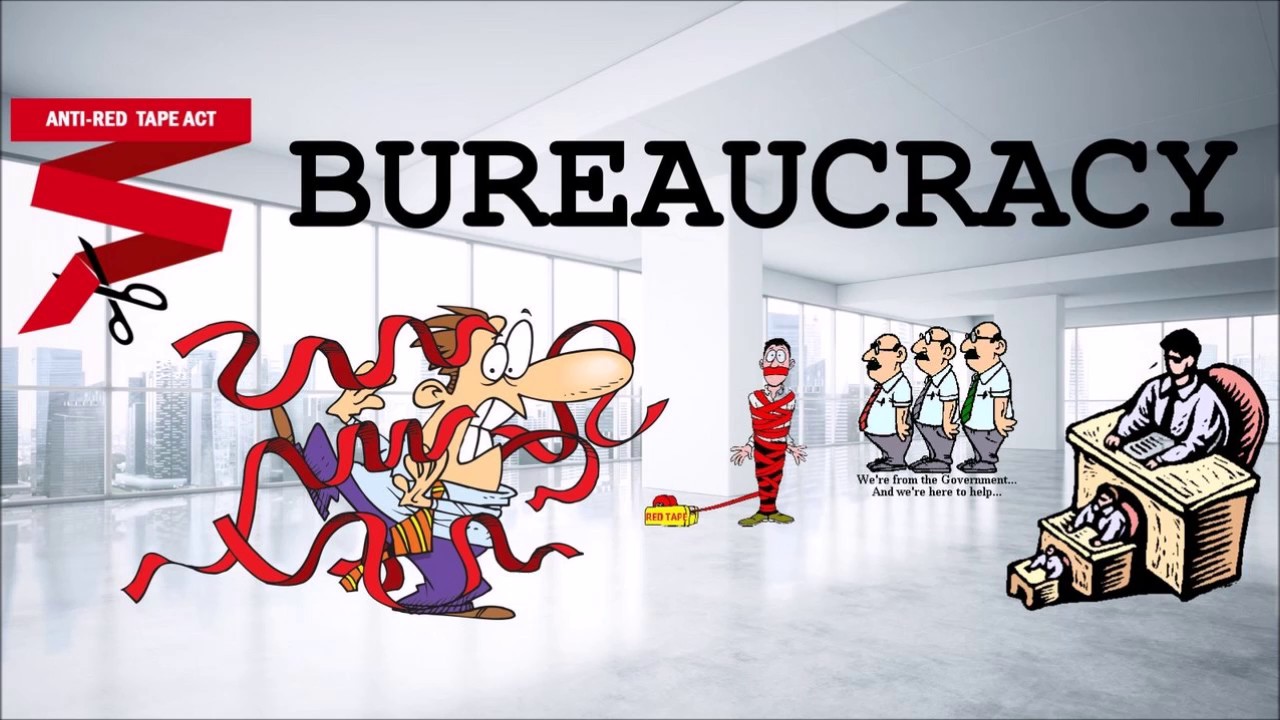
IntroductionBureaucracy is one of the defining institutions of modern society. In classical sociological theory, rational-legal authority was conceptualized most systematically by Max Weber. Weber described bureaucracy as the most efficient form of organization in large, complex societies—characterized by hierarchy, written rules, division of labour, merit-based recruitment, and impersonality. In theory, such a system ensures predictability, neutrality, and accountability. However, in practice, bureaucracy in postcolonial societies like India often manifests as “red tape,” procedural rigidity, and administrative inertia, leading to what scholars describe as a governance deficit.
Dimension:Bureaucracy in the Indian ContextThe Indian bureaucratic system has its historical roots in the colonial administrative apparatus. The steel frame of the British Raj, later institutionalized through services like the Indian Administrative Service, was designed primarily for control and revenue extraction rather than participatory development. Post-independence, the same administrative culture persisted, even as the goals shifted toward welfare and nation-building. From a sociological standpoint, this continuity reflects what Robert K. Merton termed goal displacement—a process where rules, initially meant to serve objectives, become ends in themselves. Files move through multiple desks not because it enhances efficiency, but because adherence to procedure becomes a ritualized practice. This ritualism produces red tape: excessive documentation, delays, procedural complexity, and a risk-averse administrative culture. Red Tape as Structural and Cultural PhenomenonRed tape in India cannot be reduced merely to inefficiency; it is embedded in structural and cultural dimensions:
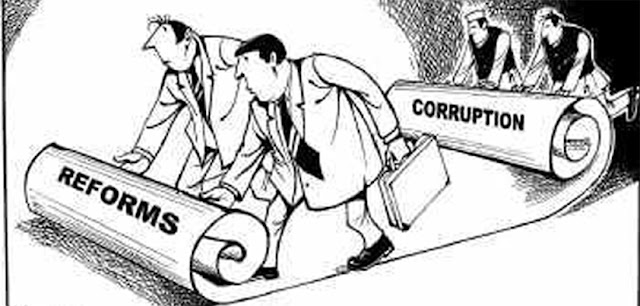
From a structural-functionalist lens, bureaucracy is meant to integrate diverse social interests. However, when institutional mechanisms fail to adapt to changing social demands, a governance deficit emerges—visible in poor service delivery, policy implementation gaps, and citizen distrust. Governance Deficit and Democratic AccountabilityGovernance deficit refers to the gap between policy intent and actual outcomes. In India, flagship welfare schemes often face implementation bottlenecks due to bureaucratic delays, corruption, and lack of coordination between agencies. This produces what sociologists term institutional alienation, where citizens perceive the state as distant and inaccessible. Drawing from conflict theory, bureaucratic structures may also reproduce social inequalities. Marginalized groups—rural populations, lower castes, women—often lack the social capital necessary to navigate administrative procedures. Thus, red tape disproportionately burdens the already disadvantaged, reinforcing stratification. At the same time, reforms such as digital governance, transparency laws, and decentralization aim to reduce bureaucratic opacity. The challenge, however, lies in transforming not only administrative rules but also the organizational culture that sustains proceduralism and risk aversion.
Toward a Sociological Reform AgendaA sociologically informed reform of Indian bureaucracy requires:
Ultimately, bureaucracy remains indispensable to modern governance. The issue is not its existence but its functioning. A responsive bureaucracy must balance rule-bound rationality with social sensitivity. In a diverse and stratified society like India, administrative efficiency cannot be separated from questions of power, inequality, and democratic legitimacy. ConclusionBureaucracy in India reflects a central paradox of modern governance. While conceived by Max Weber as a rational, efficient, and rule-bound system, it often degenerates into red tape and procedural rigidity. As Robert K. Merton observed, bureaucratic dysfunctions like goal displacement and ritualism contribute to governance deficits and citizen alienation. The way forward lies not in dismantling bureaucracy but in reforming it—making it accountable, flexible, transparent, and socially responsive. Only then can it serve as an effective instrument of democratic and equitable governance. |


UPSC Civil Services Mains – Sociology Optional Question
“Bureaucracy in India reflects both Weberian rationality and Mertonian dysfunctions.” Critically examine in the context of red tape and governance deficit. (250 words)
To Read more topics, visit: www.triumphias.com/blogs
Read more Blogs:
Rising Suicides, Social Isolation and Anomie in Modern India
Class Struggle in the Era of Financialisation and Corporate Concentration
3 comments