


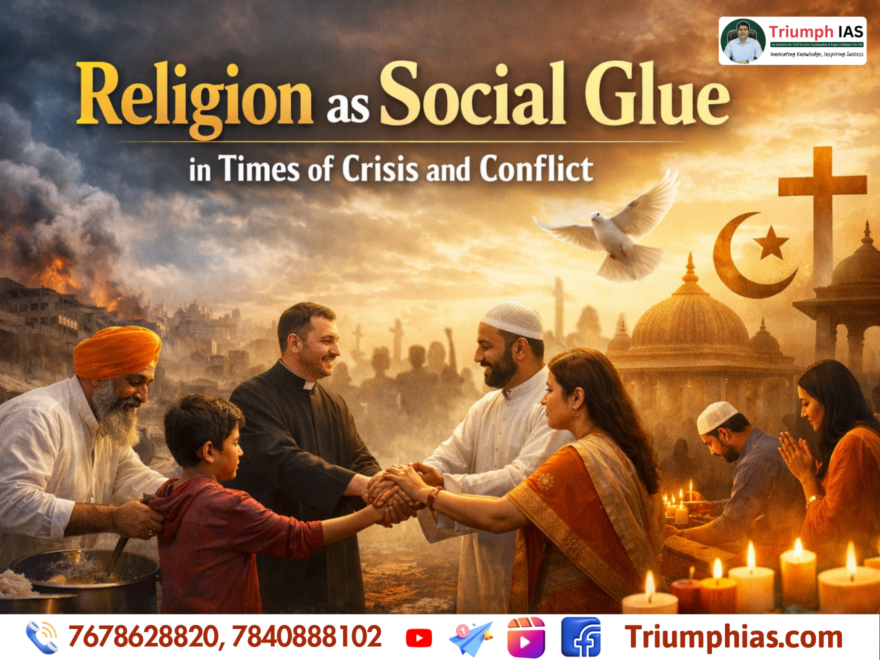
Religion as Social Glue in Times of Crisis and Conflict
(Relevant for Sociology Paper 1, Paper 2 , GS Society )
IntroductionIn moments of crisis—whether pandemics, wars, economic collapse, or natural disasters—societies confront not only material disruption but also moral and psychological uncertainty. Sociology has long recognized that during such periods, religion often operates as a powerful form of social glue, reinforcing solidarity, providing meaning, and stabilizing collective life. From a sociological perspective, religion is not merely a matter of private faith; it is a social institution embedded in structures of power, culture, and community.
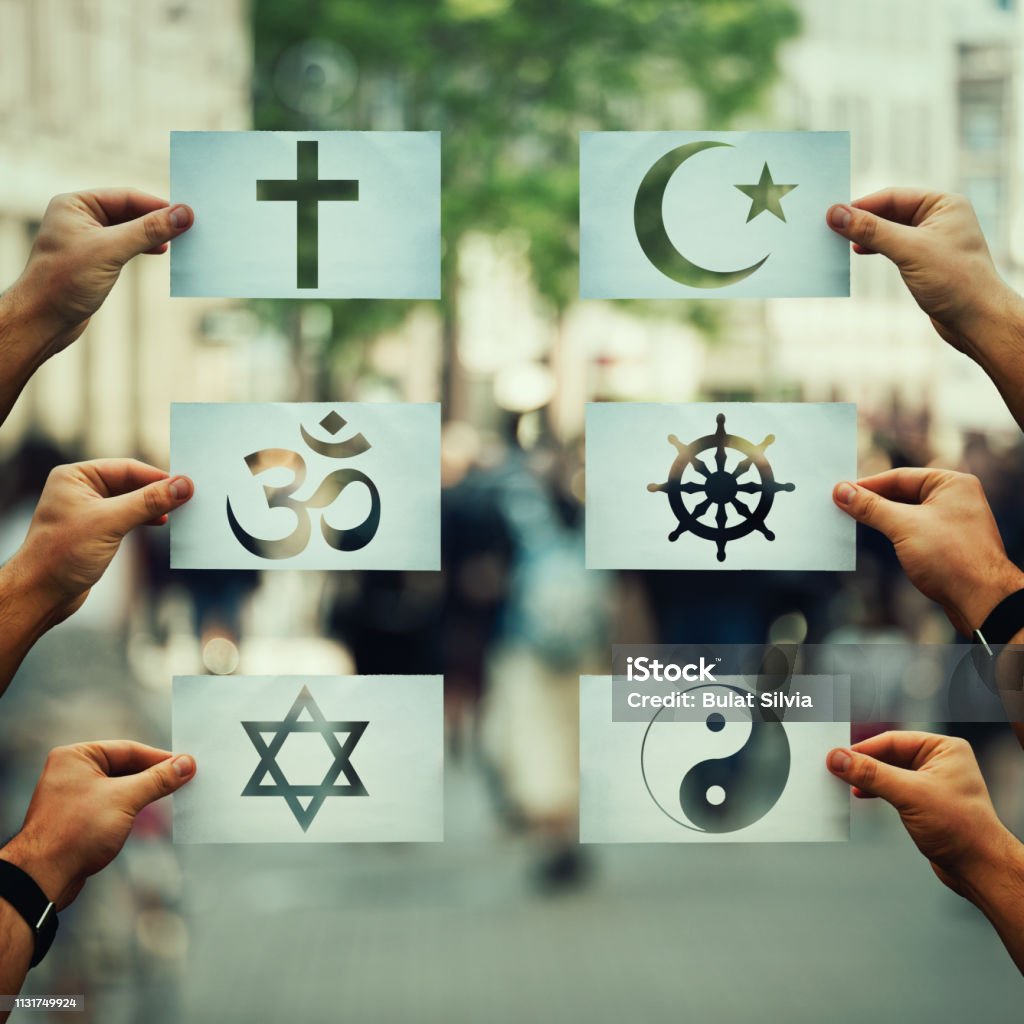
Dimension:Theoretical FoundationsÉmile Durkheim conceptualized religion as a system of beliefs and practices related to the sacred that unite individuals into a moral community. In The Elementary Forms of Religious Life, he argued that religion generates collective conscience and strengthens mechanical solidarity, especially in times of social stress. During crises, rituals, prayers, and symbolic acts reaffirm shared values and restore collective morale. For example, community gatherings in temples, mosques, churches, or gurdwaras during disasters often create a sense of shared destiny and mutual support. From a functionalist perspective, religion performs integrative functions. It provides cognitive frameworks to interpret suffering (“divine will,” “karma,” or “trial of faith”) and emotional resources to cope with uncertainty. This interpretive function reduces anomie—a concept Durkheim associated with normlessness during rapid social change. In contrast, Karl Marx viewed religion as both a source of solace and an instrument of ideological control. In times of crisis, religion may pacify dissent by framing suffering as inevitable or divinely ordained. Thus, while religion can unite communities, it may also reproduce inequalities and legitimize dominant power structures. Max Weber added another dimension by highlighting religion’s role in shaping social action. Religious ethics, such as Protestant asceticism or Gandhian spirituality, can mobilize communities toward collective action and reform. In conflict situations, religious leadership often plays a role in peace-building and reconciliation, demonstrating religion’s potential as both a conservative and transformative force. Religion During Contemporary CrisesDuring the COVID-19 pandemic, religious organizations worldwide organized food distribution, medical camps, and psychological counseling. In India, gurudwaras ran community kitchens (langars), temples facilitated oxygen support, and Islamic charities mobilized zakat for relief. Such examples illustrate religion’s capacity to generate social capital—networks of trust and reciprocity that strengthen resilience. In conflict zones, religion can either intensify polarization or foster reconciliation. The same religious identity that fuels communal violence can also inspire interfaith solidarity. Sociologically, this dual character reflects religion’s embeddedness in broader political and economic contexts. Religion, Identity, and Social CohesionReligion reinforces collective identity by offering symbols, myths, and rituals that bind individuals to a larger moral order. During crises, identity becomes salient, and religious belonging often provides psychological security. However, excessive politicization of religion can transform social glue into social fault lines. Robert Bellah’s concept of civil religion helps explain how shared national rituals—such as collective mourning or public prayers—transcend sectarian divides and create inclusive solidarity. In plural societies like India, the challenge lies in balancing religious freedom with secular constitutional values to prevent conflict escalation. Critical ReflectionsWhile religion can strengthen social cohesion, sociologists caution against romanticizing its role. Feminist scholars point out that religious norms during crises may reinforce patriarchal control. Conflict theorists emphasize that religious narratives can legitimize violence. Therefore, religion’s integrative function must be analyzed in relation to power, class, gender, and ethnicity.
Conclusion:Religion, as a social institution, functions as both adhesive and amplifier. It binds communities through shared meaning, moral regulation, and mutual aid, especially in times of crisis and conflict. Yet its role is contingent upon socio-political contexts. For sociology, the central task is not to judge religion normatively but to analyze its structural functions, symbolic power, and transformative potential in shaping collective resilience.
|


UPSC Civil Services Mains – Sociology Optional Question
“Religion acts as both an integrative and divisive force in society.” Discuss this statement with reference to sociological theories and contemporary examples.
To Read more topics, visit: www.triumphias.com/blogs
Read more Blogs:
Platform Capitalism, Gig Workers, and New Forms of Alienation
4 comments