The Ghosts Haunting Indian Bureaucracy
(Relevant for Sociology Paper I: Max Weber’s theory of bureaucracy and Sociology Paper II: Impact of Colonial Rule on Indian Society)
Introduction: The Ghosts Haunting Indian BureaucracyDespite over seven decades of independence, India’s bureaucracy often appears trapped in the shadows of colonial legacy, red tape, and systemic rigidity. While new policies and digital innovations surface regularly, the bureaucratic structure still reflects outdated mindsets, sluggish decision-making and opaque procedures. These persistent issues are often described as the “ghosts” haunting India’s bureaucracy. This blog dissects the deep-rooted sociological causes behind India’s bureaucratic inefficiencies and explores their impact on governance, development, and democratic accountability. Colonial Legacy and Bureaucratic Behaviour
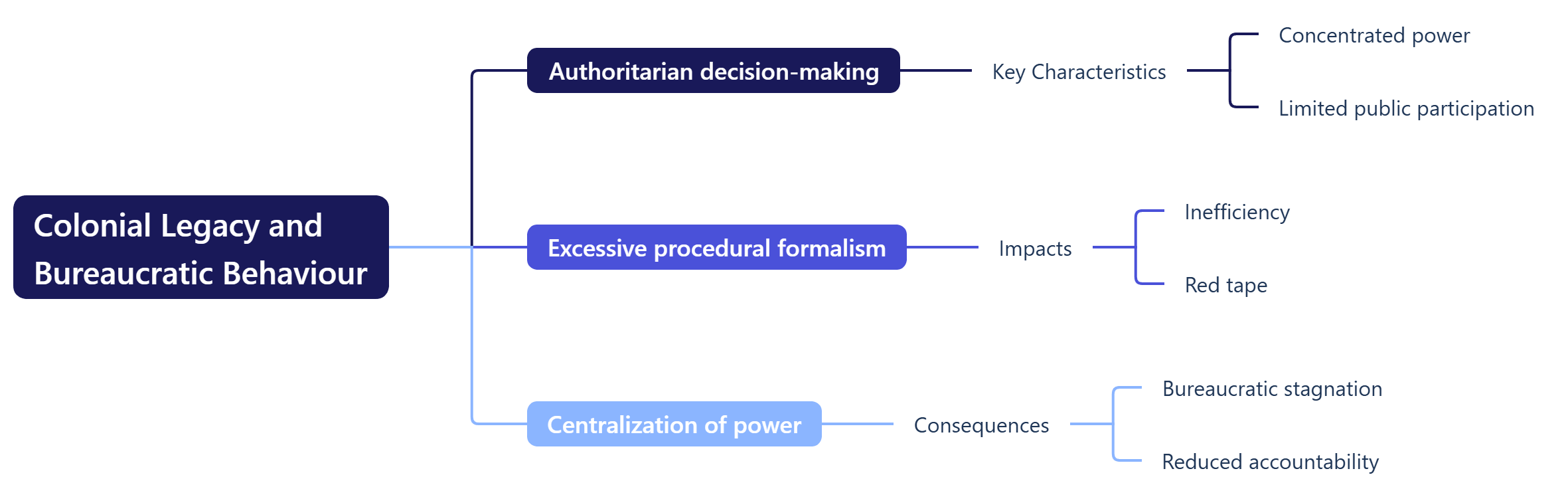
India’s civil services were shaped during British rule as an instrument of colonial control. This legacy persists in the form of:
From a conflict perspective, this structure serves elite interests more than the common people. The hierarchical model discourages innovation and reinforces social distance between administrators and citizens. Example: A district magistrate still holds powers reminiscent of colonial collectors — combining judicial, administrative, and revenue functions, creating power without adequate accountability. Red-Tapism and Delay in Public Service Delivery
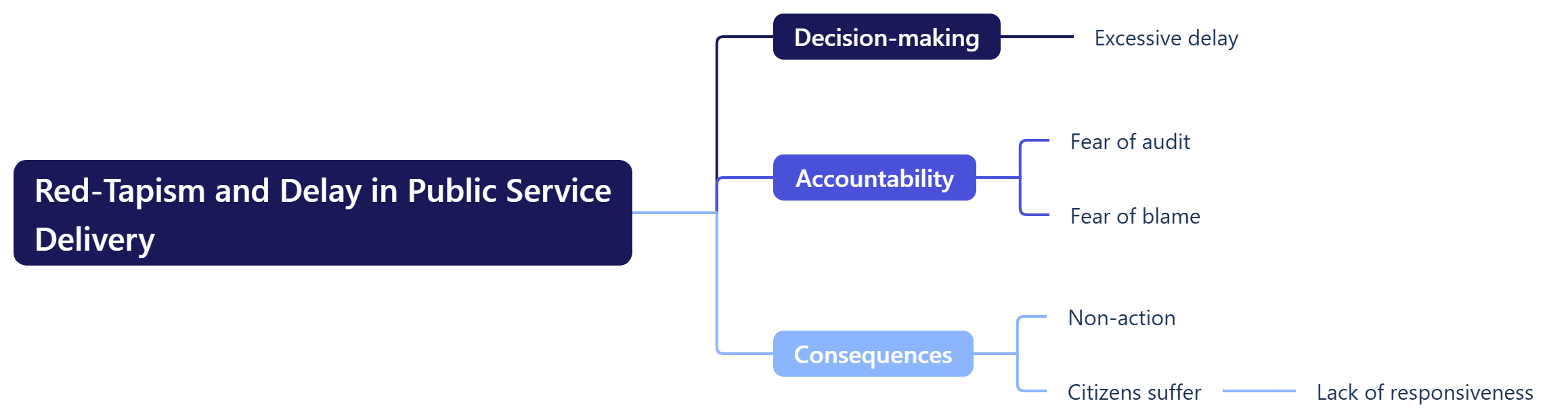
The bureaucratic system often operates with complex layers of approval and procedural compliance, known as red-tapism. Sociologist Max Weber’s ideal-type bureaucracy emphasized rule-based functioning, hierarchy, and impersonal relationships. While this model ensured discipline and order, in India, it has mutated into bureaucratic inertia, where:
This reflects structural-functional theory in dysfunction — where a once-functional system becomes maladaptive over time. Corruption and Patronage NetworksBureaucracy is supposed to be neutral, but in India, political patronage, transfer-posting culture, and rent-seeking behavior distort its functioning. Corruption in public administration reduces trust, increases inequality, and reinforces the alienation of marginalized groups, especially SCs, STs, and women. This aligns with Antonio Gramsci’s theory of hegemony, where ruling classes use institutions like bureaucracy to maintain dominance without direct coercion. Resistance to Reform and Digitization
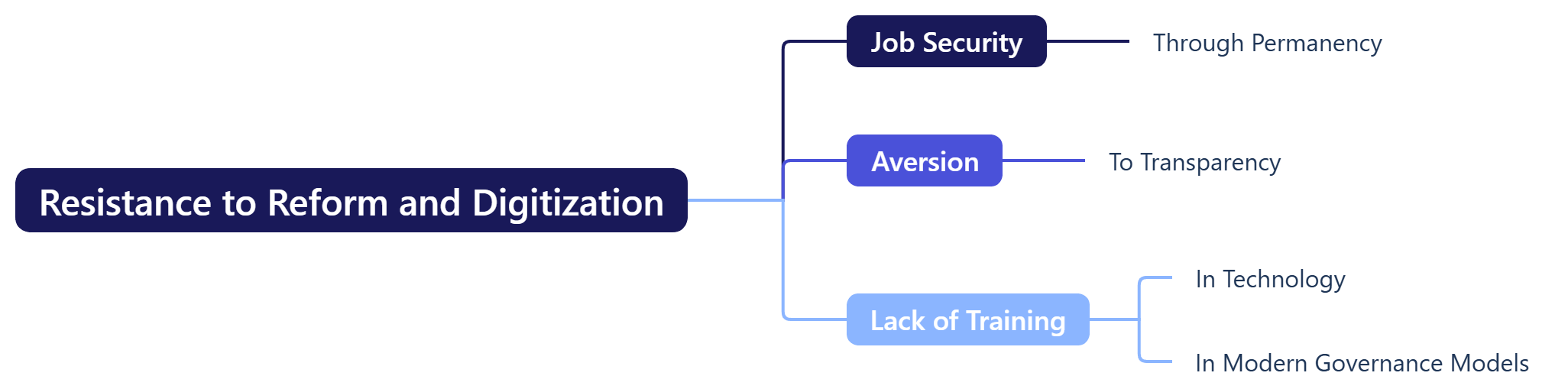
Despite missions like Mission Karmayogi and Digital India, many bureaucrats resist change due to:
This represents a cultural lag, where institutional culture fails to adapt to modern technological and participatory needs, a key concept in Ogburn’s theory of social change. Impact on Development and DemocracyAn inefficient bureaucracy undermines both development administration and democratic governance:
As India’s demographic dividend grows, a sluggish bureaucracy becomes a major structural bottleneck in achieving inclusive development and good governance. Way Forward
These measures resonate with Habermas’s theory of communicative action, emphasizing deliberation and rational dialogue in institutions. ConclusionThe “ghosts” haunting India’s bureaucracy aren’t just inefficiencies—they are deep sociological relics of colonialism, elitism, and institutional decay. Understanding them requires more than administrative reforms; it demands a sociological lens that examines structures, cultures, and power dynamics. Only then can India hope to build a bureaucracy that is truly transparent, accountable, and citizen-centric. PYQsPaper I:
Paper II:
|