INVISIBLE DIGITAL LABOUR – A SOCIOLOGICAL ANALYSIS
INVISIBLE DIGITAL LABOUR – A SOCIOLOGICAL ANALYSIS
(Relevant for Sociology Paper 1 work and economic life and Social change in modern society and Sociology Paper 2 industrialization and urbanization in india)
Invisible digital labour refers to the unrecognized, unpaid, and often involuntary work performed by users, consumers, and gig workers on digital platforms. This labour creates value for tech companies and digital capitalists, yet remains excluded from conventional definitions of work.
Unlike formal employment, this labour is hidden in
Everyday digital interactions
Content generation
Surveillance and data collection processes
Though it appears as leisure, consumption, or communication, it contributes to the profit-making logic of platform capitalism.
Key Features
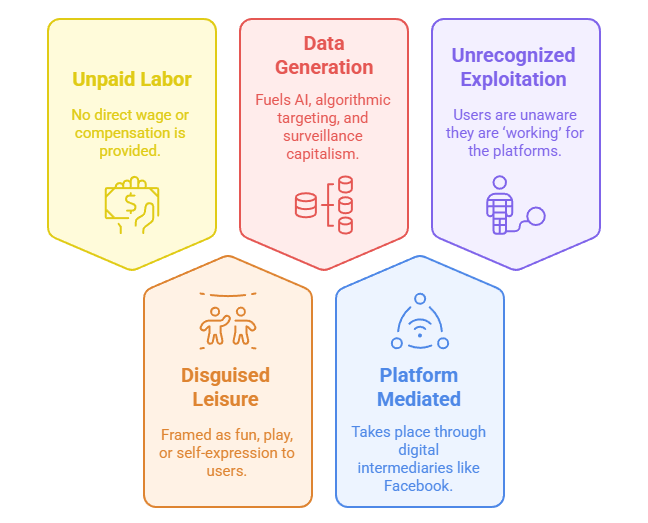
Unpaid: No direct wage or compensation.
Disguised as leisure: Framed as fun, play, or self-expression.
Platform-mediated: Takes place through digital intermediaries (Facebook, Google, Amazon, etc.)
Exploited without recognition: Users are unaware they are ‘working’.
Sociological Theoretical Perspectives
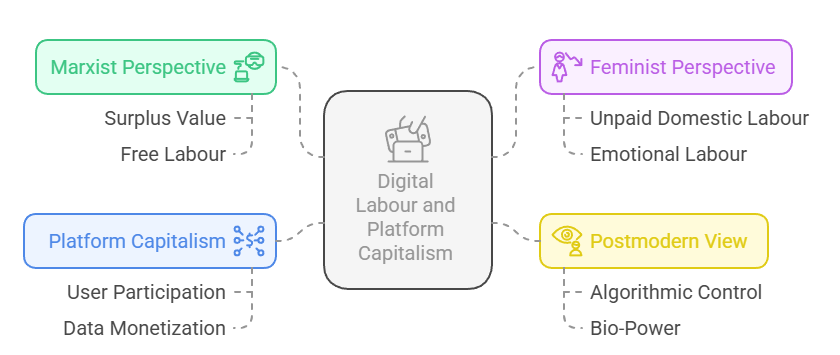
MARXIST PERSPECTIVE: DIGITAL EXPLOITATION & SURPLUS VALUE:- Marx viewed labour as the source of surplus value in capitalism. In the digital age, platforms like YouTube or Instagram extract surplus from user engagement, data, and content without paying wages. Tiziana Terranova described this as “Free Labour” – uncompensated digital activity that supports the digital economy. Christian Fuchs critiques how digital labour reproduces class hierarchies and concentrates wealth among platform owners (e.g., Big Tech billionaires). > Example: A meme creator on Instagram gains followers, but the platform monetizes their engagement through ads, not the creator.
FEMINIST PERSPECTIVE: PARALLELS WITH UNPAID DOMESTIC LABOUR : Feminists like Silvia Federici and Arlie Hochschild argue that much essential labour is unpaid and feminized (e.g., emotional labour, caregiving). Similarly, digital labour is invisible and often gendered (e.g., women influencers working long hours on self-presentation, aesthetic curation, or ‘likes economy’). Emotional labour on social platforms — such as managing fan interactions, building digital intimacy — is a new unpaid burden. > Example: Women running beauty channels on YouTube may spend hours editing, engaging followers, and managing brand identity, without stable income.
POSTMODERN VIEW: SURVEILLANCE and POWER : Michel Foucault’s concept of surveillance and self-discipline is relevant here. Users voluntarily produce data and regulate their online image, becoming both objects and agents of surveillance. Platforms exercise “algorithmic control” — making users work harder for visibility and validation (likes, shares, reach). Example: Influencers altering content to satisfy algorithmic trends are shaping themselves under digital discipline — a new form of ‘bio-power’.
PLATFORM CAPITALISM & DIGITAL LABOUR:
Nick Srnicek’s concept of platform capitalism explains how tech companies like Google and Facebook monetize user participation and data.
Platforms become intermediaries that extract rent from user-generated value, without employing them formally. Example: Millions contribute to Google Maps, tagging businesses and updating roads — enriching Google’s data infrastructure for free.
Forms of Invisible Digital Labour
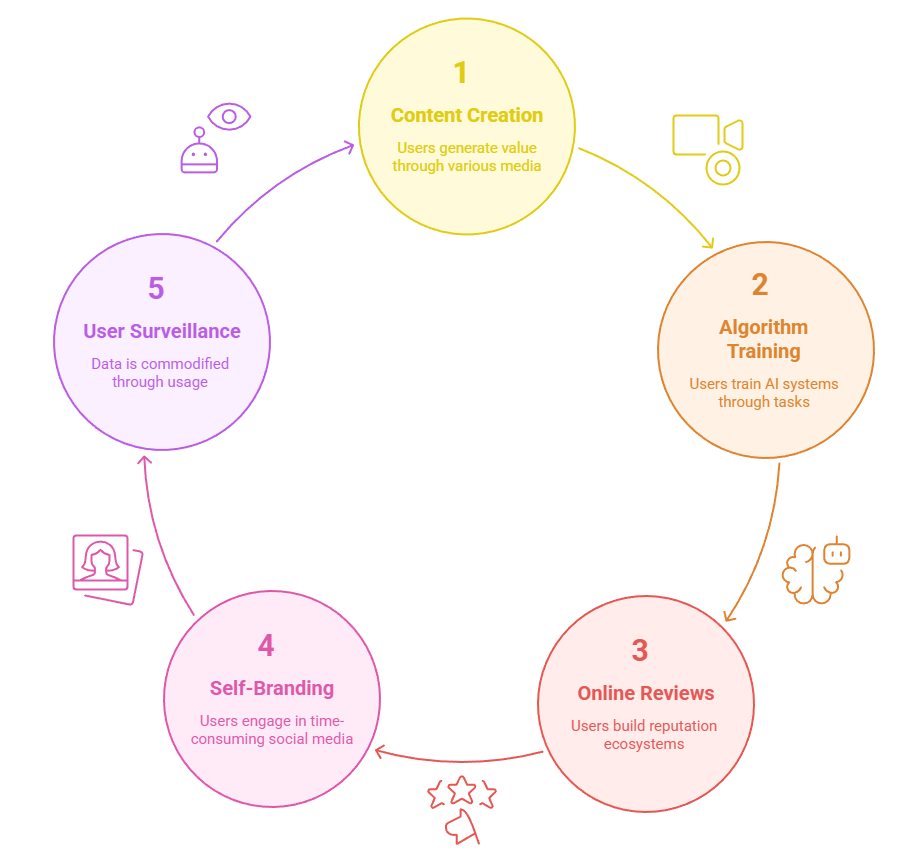
1. Content creation Users create value via photos, reels, memes, videos TikTok/Instagram Reels 2. Algorithm training CAPTCHA solving trains AI systems “Click on all traffic lights” tasks 3. Online reviews Users build reputation ecosystems Amazon, Zomato ratings 4. Self-branding Time-consuming social media engagement Influencer marketing 5. User surveillance Data shared during usage is commodified Facebook & Google Ads
Indian Context and Examples
India, with its rapidly digitizing society and large young population, offers significant cases of invisible digital labour:
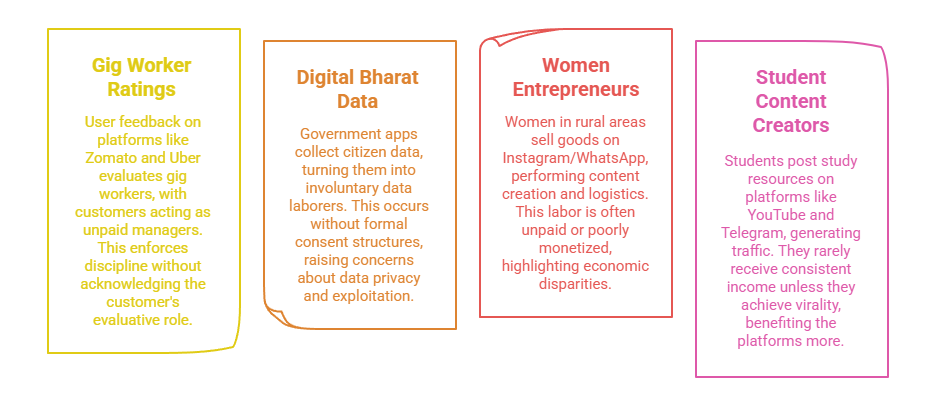
Gig Worker Ratings: Zomato, Ola, and Uber rely on user feedback to control and evaluate gig workers. Customers act as unpaid managers, enforcing discipline without recognizing their evaluative role.
Digital Bharat and Data Work: Government apps like Aarogya Setu or DigiLocker collect citizen data. Citizens, without formal consent structures, become data sources — involuntary data labourers in the digital state.
Women Entrepreneurs and Instagram Stores: Women from Tier-2 and rural areas sell handicrafts or homemade items on Instagram/WhatsApp. Their labour includes content creation, social media engagement, and logistics — often unpaid or poorly monetized.
Students as Content Creators: Students and aspirants post study resources, answer writing videos, or reviews on YouTube/Telegram. Platforms gain monetizable traffic; creators rarely get consistent income unless they cross thresholds of virality.
Consequences and Challenges
Labour without rights: No unionization, labour laws, or benefits.
Mental and emotional toll: Always being ‘online’, brand-conscious, and visible.
Erosion of leisure: Digital time becomes productive time unknowingly.
Exacerbation of inequality: Platforms profit; users hustle with little gain.
Way Forward
Recognize digital labour in policy and discourse.
Promote platform accountability for profit-sharing or minimum support frameworks.
Encourage data democracy and ethical AI use.
Explore the intersection of class, gender, and technology in new work forms. Invisible digital labour is not just a technological issue but a social justice concern. It reshapes how we view work, worth, and identity in the digital age.










One comment