



Equal Parental Leave: A Step towards Gender Equality
(Relevant for Sociology Paper I: Work and Economic Life and Sociology Paper II: Social Change in India; Women and Development; Role of State)

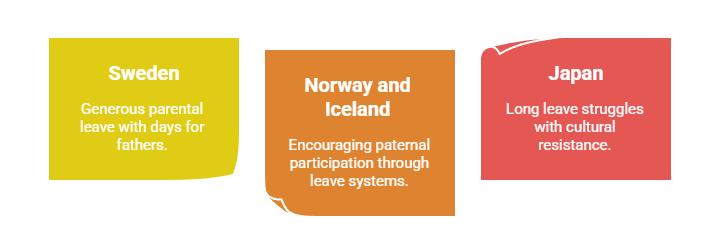
IntroductionAs societies evolve toward gender equality, the idea of equal parental leave for both mothers and fathers is gaining global momentum. Traditionally, childcare responsibilities have disproportionately fallen on women, reinforcing gender stereotypes and limiting female participation in the workforce. Equal parental leave policies challenge this norm, aiming to create a more balanced division of labor at home and promote gender-just work environments. In India, however, maternity leave is available for 26 weeks, while paternity leave remains largely absent or informal in most sectors, especially the private sector. This disparity not only burdens mothers but also reinforces outdated patriarchal structures. Global Examples
Indian Context
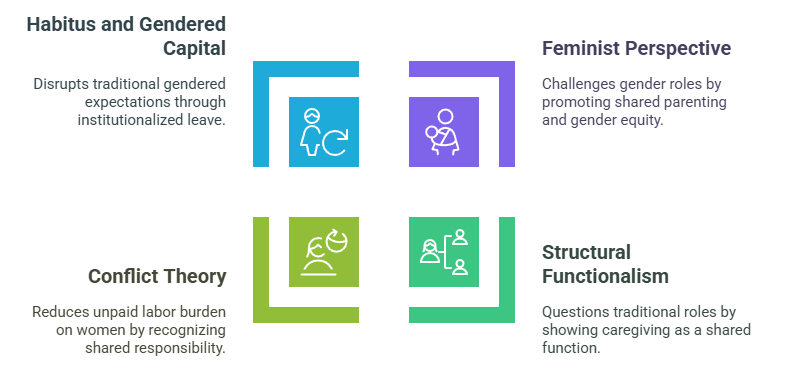
Sociological Analysis
Why India Needs Equal Parental LeaveLow female labor force participation: Enables women to return to work earlier with shared responsibilities Gender pay gap: Encourages employers to view men and women equally for hiring Paternal engagement: Improves father-child bonding and emotional development Workplace stereotypes: Breaks the myth of women being “less committed” due to childbearing Dual burden on women: Eases the pressure of managing work and childcare alone Policy Suggestions and Way Forward
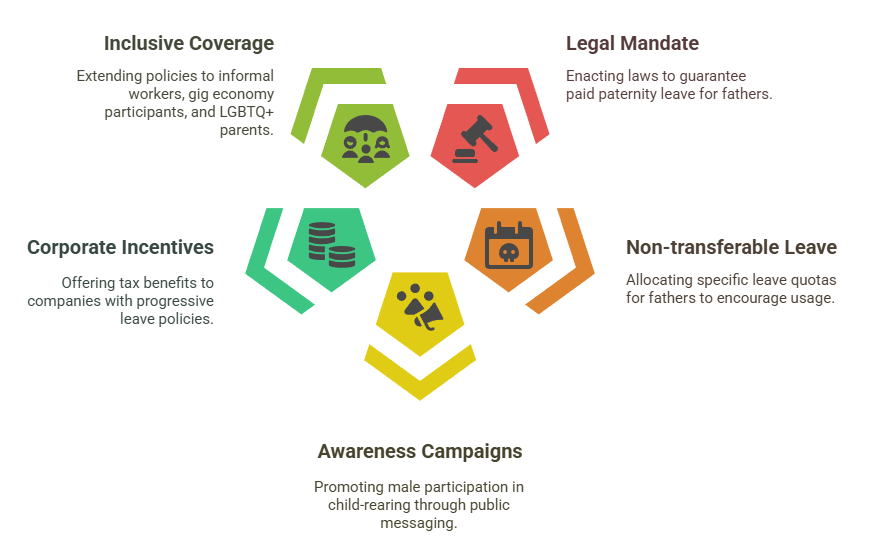
Legal Mandate: Pass the Paternity Benefit Bill ensuring at least 3 months paid paternity leave. Non-transferable Leave Quotas: Allocate specific leave for fathers (like Nordic countries) to encourage usage. Awareness Campaigns: Normalize male participation in child-rearing through public messaging. Corporate Incentives: Offer tax benefits or recognition to companies with progressive leave policies. Inclusive Coverage: Extend parental leave policies to informal sector workers, gig economy participants, and LGBTQ+ parents. ConclusionEqual parental leave is not merely a family welfare policy — it is a structural tool for social transformation. It can break gender stereotypes, foster workplace equality, and promote emotional well-being for children and parents alike. As India debates gender parity, equal parental leave must move from policy proposals to institutional reality. True gender equality begins when caregiving is recognized as a shared human responsibility — not a woman’s duty. PYQsPaper I
Paper II
|





To Read more topics, visit: www.triumphias.com/blogs
Read more Blogs:
Raja Raghuvanshi and Sonam Raghuvanshi: A Crime, a Culture, and the Claustrophobia of Conformity
One comment