Artificial Intelligence and Human Development in HDR 2025

Artificial Intelligence and Human Development in HDR 2025

(Relevant for GS paper-1, Human Geography)

The Human Development Report (HDR) 2025, titled “A Matter of Choice: People and Possibilities in the Age of AI”, published by the United Nations Development Programme (UNDP), delves into the transformative role of Artificial Intelligence (AI) in shaping human development. This report emphasizes the importance of human choices and agency in leveraging AI for inclusive growth, especially in countries like India.

India’s Progress in Human Development

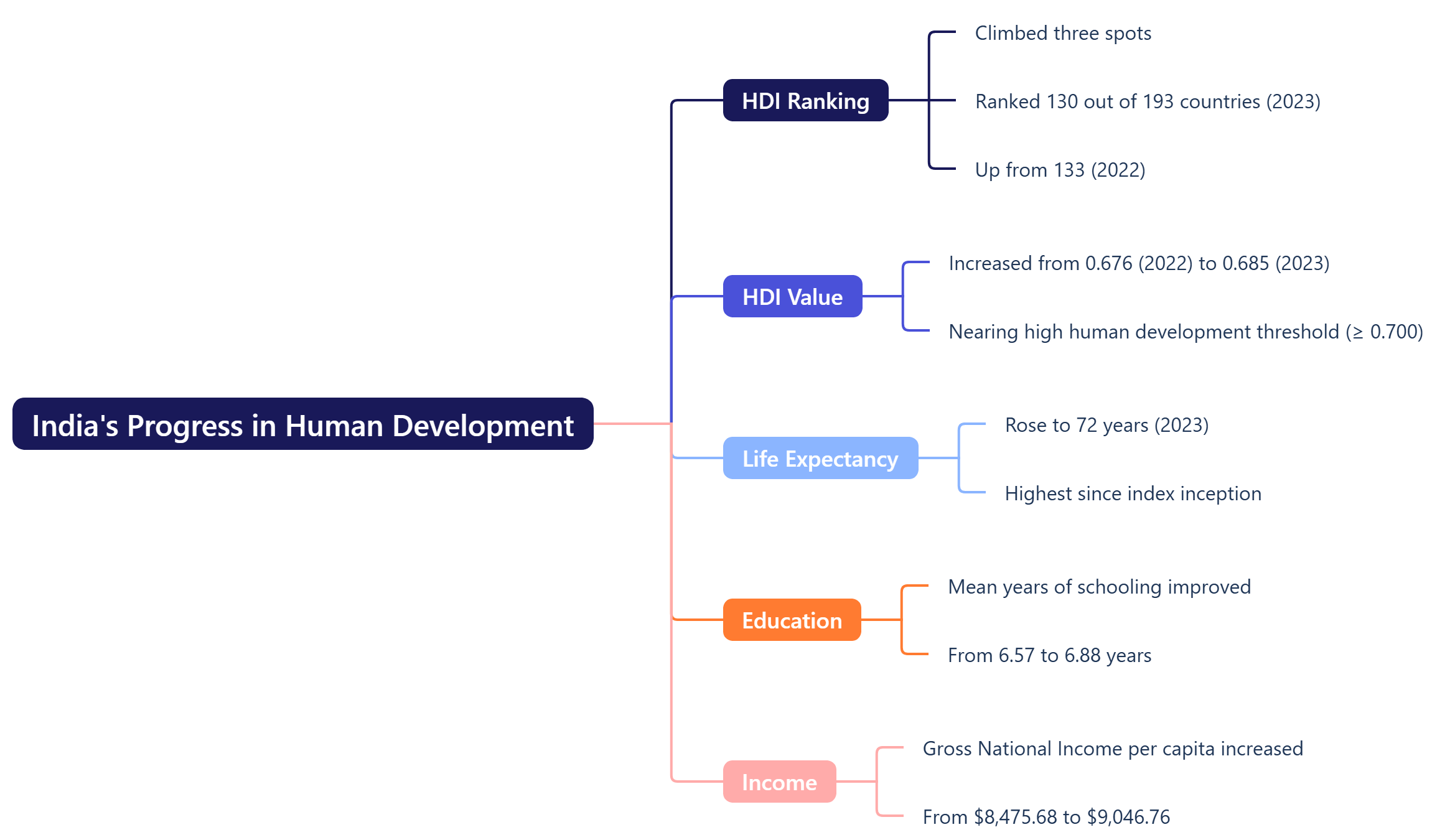
India has shown commendable progress in human development indicators.

  • HDI Ranking: India climbed three spots, ranking 130 out of 193 countries in 2023, up from 133 in 2022.
  • HDI Value: The HDI value increased from 0.676 in 2022 to 0.685 in 2023, nearing the threshold for high human development (≥ 0.700). Life Expectancy: Life expectancy rose to 72 years in 2023, the highest since the index’s inception.
  • Education: Mean years of schooling improved from 6.57 to 6.88 years, reflecting better educational attainment.
  • Income: Gross National Income per capita increased from $8,475.68 to $9,046.76.

These advancements highlight India’s commitment to enhancing the quality of life for its citizens.

AI’s Role in Enhancing Human Development

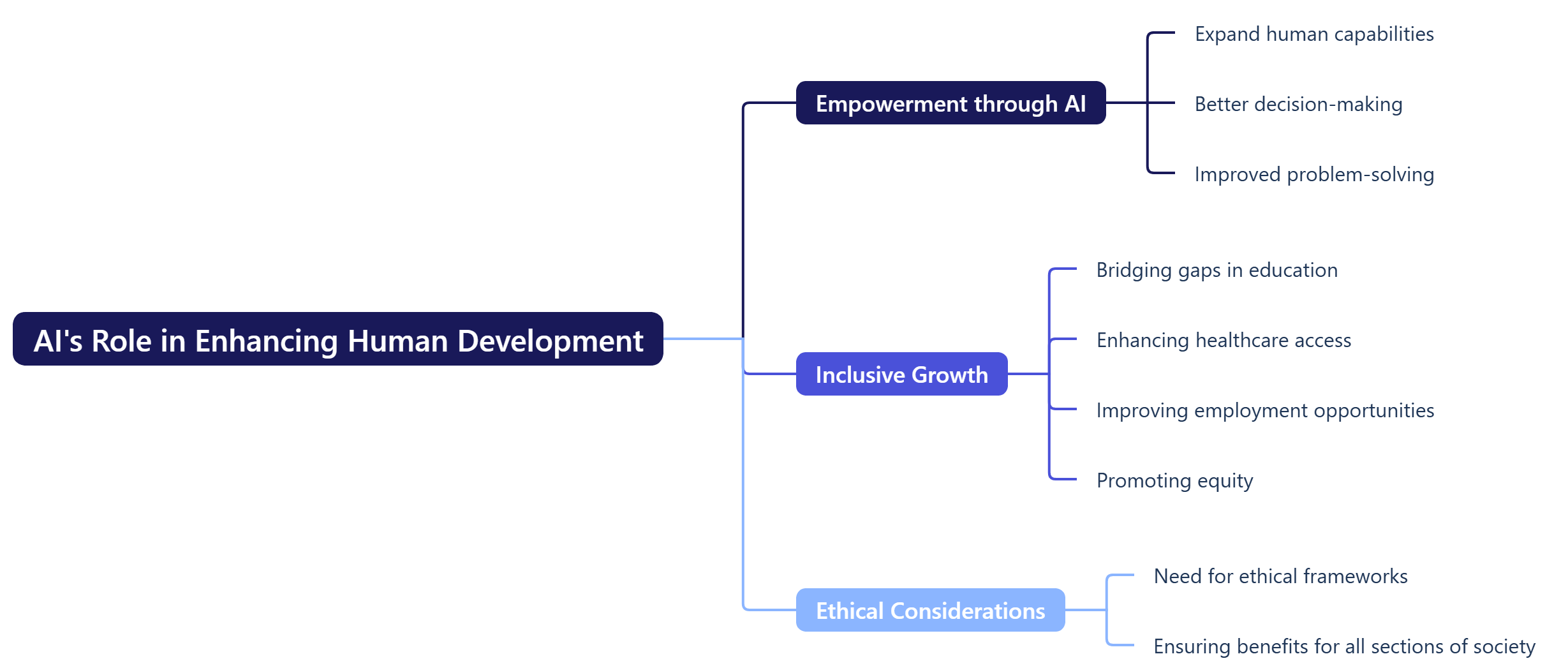
The HDR 2025 underscores AI’s potential to accelerate human development when guided by informed choices:

  • Empowerment through AI: AI can expand human capabilities, offering tools for better decision-making and problem-solving.
  • Inclusive Growth: When integrated thoughtfully, AI can bridge gaps in education, healthcare, and employment, promoting equity.
  • Ethical Considerations: The report emphasizes the need for ethical frameworks to ensure AI benefits all sections of society.

India’s AI Initiatives and Achievements

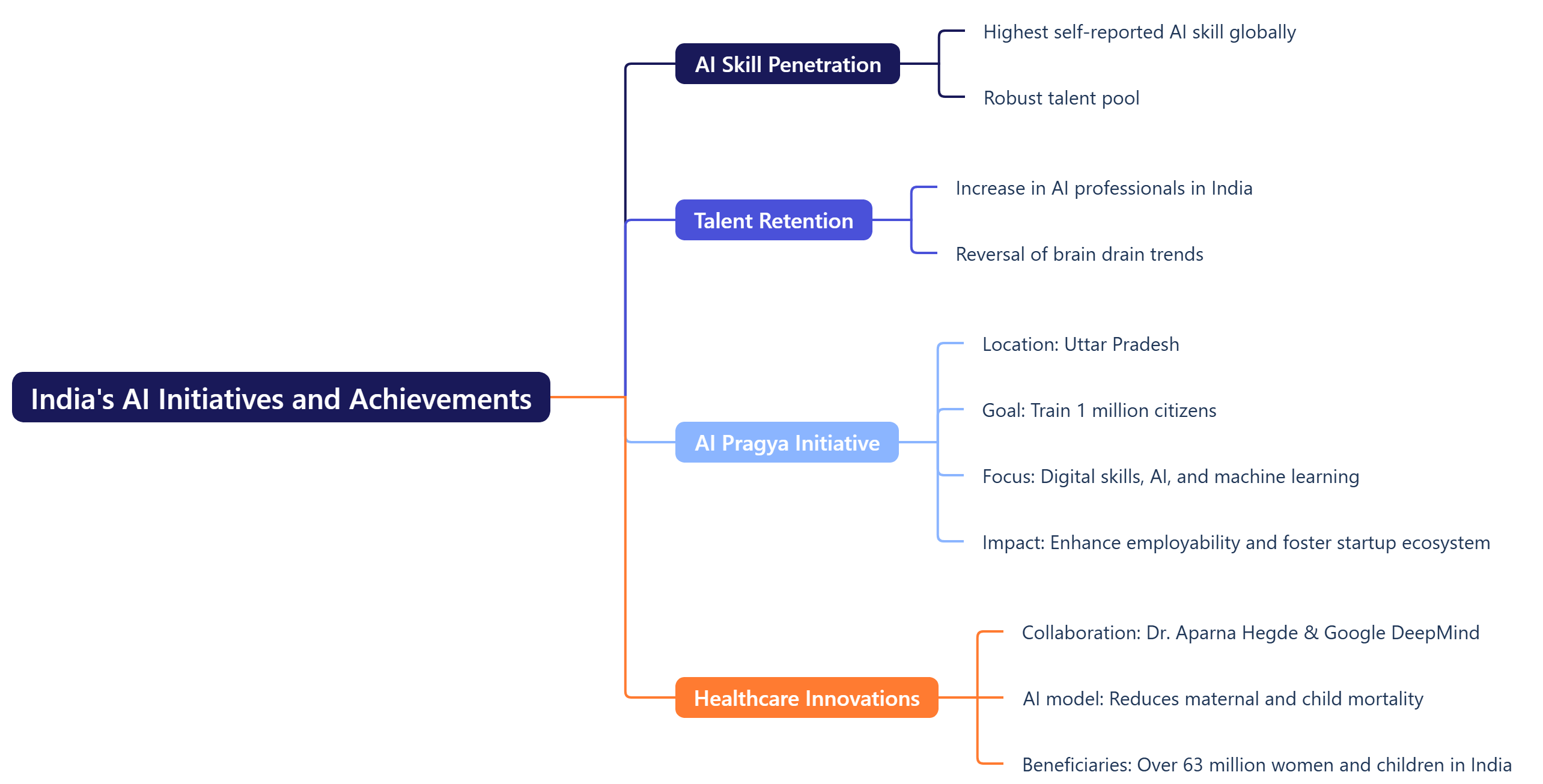
India is rapidly emerging as a global AI hub

  • AI Skill Penetration: India boasts the highest self-reported AI skill penetration globally, indicating a robust talent pool.
  • Talent Retention: There’s a notable increase in AI professionals choosing to work within India, reversing previous brain drain trends.
  • AI Pragya Initiative: Uttar Pradesh’s ‘AI Pragya’ aims to train 1 million citizens in digital skills, including AI and machine learning, enhancing employability and fostering a startup ecosystem. Healthcare Innovations: Dr. Aparna Hegde’s collaboration with Google DeepMind led to an AI model reducing maternal and child mortality, benefiting over 63 million women and children across India.

Challenges and Considerations

While AI offers immense potential, certain challenges need addressing:

  • Digital Divide: Ensuring equitable access to AI technologies across urban and rural areas remains crucial.
  • Data Privacy: Robust data protection laws are essential to safeguard individual rights.
  • Ethical Frameworks: Developing guidelines to prevent biases and ensure transparency in AI algorithms is imperative.
  • Skill Development: Continuous upskilling and reskilling programs are necessary to prepare the workforce for AI-driven changes.

Conclusion

The HDR 2025 highlights the transformative power of AI in human development. India’s strides in AI adoption, coupled with improvements in health, education, and income, position it favorably on the global stage. However, to fully harness AI’s potential, concerted efforts in policy-making, infrastructure development, and ethical considerations are essential. By making informed choices, India can ensure that AI serves as a tool for inclusive and sustainable development.

To Read more topics like Artificial Intelligence and Human Development in HDR 2025 in Public Posts, visit: www.triumphias.com/blogs

Read more Blogs:

GDP @ 70: Does GDP Methodology of Calculating Growth Requires a Serious Shift? | Ethics for UPSC Civil Services Examination | Triumph IAS

Code of Conduct for Civil Servants | Ethics for UPSC Civil Services Examination | Triumph IAS

One comment

Leave a Reply

Your email address will not be published. Required fields are marked *