

Towards a More Efficient Justice System in India
(Relevant for GS 2, Judiciary)
|
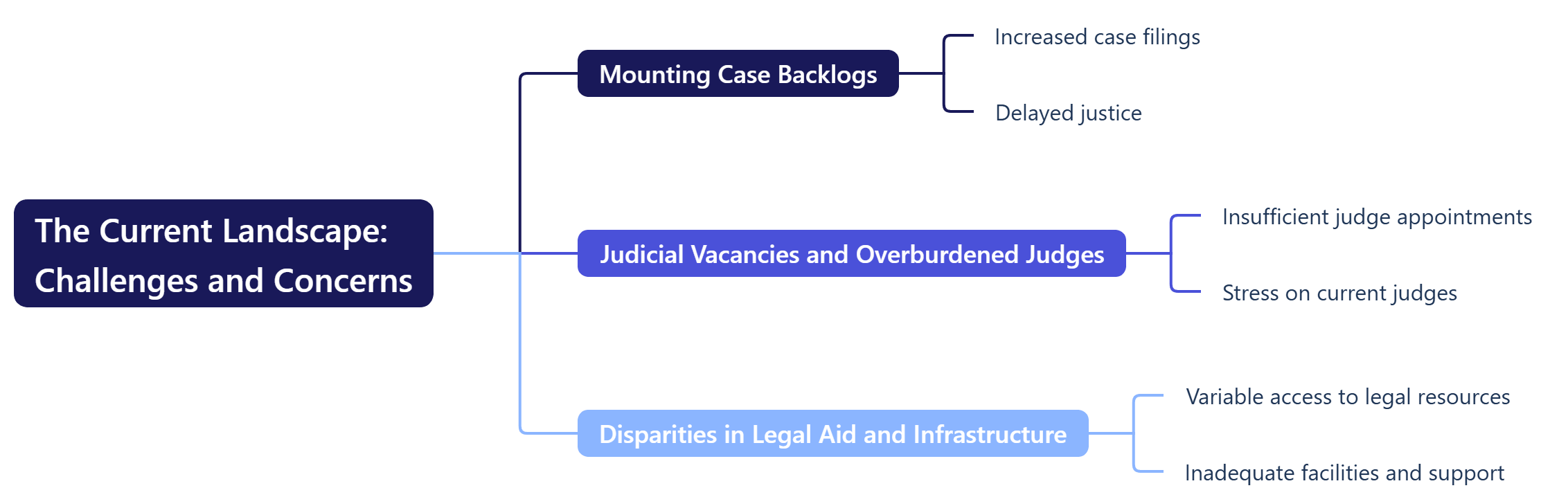
India’s justice system, a cornerstone of its democratic framework, is currently grappling with significant challenges that impede its efficiency and accessibility. As the nation aspires towards the vision of Viksit Bharat 2047, revitalizing the judiciary becomes imperative to uphold the rule of law and ensure equitable justice for all citizens. The Current Landscape: Challenges and Concerns
As of 2024, over 51 million (5.1 crore) cases are pending across various courts in India. Alarmingly, more than 169,000 cases have been unresolved for over three decades in district and high courts . This backlog undermines public trust and delays justice delivery.
The India Justice Report 2025 highlights a 22% vacancy rate among judges, with high courts experiencing a 30% shortfall . This shortage exacerbates delays and hampers the judiciary’s capacity to manage caseloads effectively.
Despite increased budget allocations, the number of legal aid clinics reduced by 44% between 2019 and 2021 . Additionally, prison overcrowding remains a pressing issue, with an average occupancy rate of 130%, and some states facing even higher rates . Recent Reforms and Initiatives
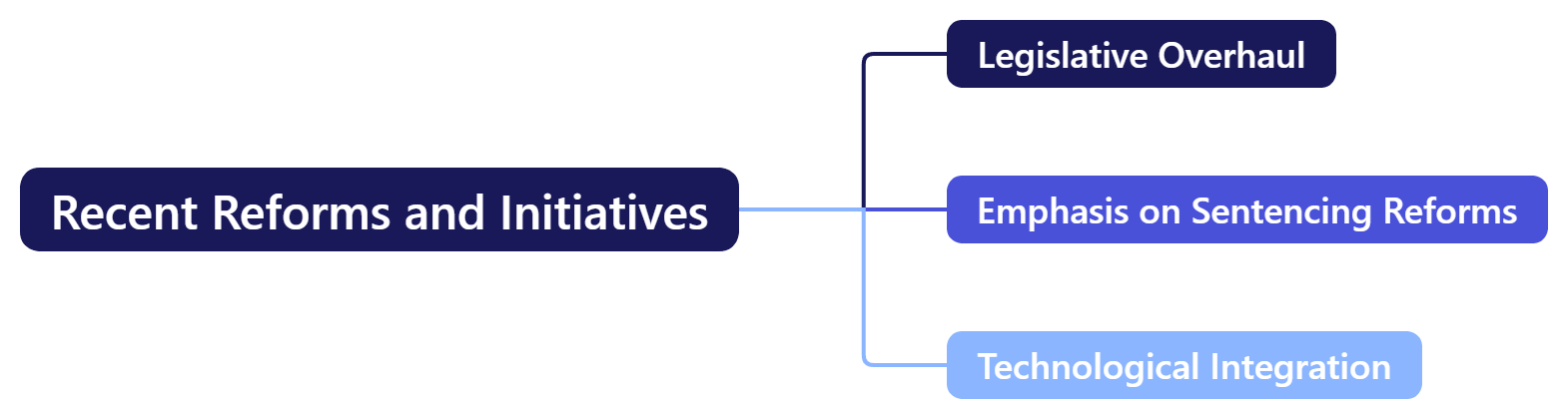
In 2024, India enacted three new laws—Bharatiya Nyaya Sanhita, Bharatiya Nagarik Suraksha Sanhita, and Bharatiya Sakshya Adhiniyam—replacing the colonial-era Indian Penal Code, Code of Criminal Procedure, and Indian Evidence Act, respectively . These reforms aim to modernize criminal laws and expedite justice delivery.
Following concerns over arbitrary sentencing, the government plans to introduce a grading system to standardize punishments, ensuring they align with the severity of crimes . This initiative seeks to enhance fairness and consistency in judicial decisions.
The judiciary is embracing technology through e-Courts, virtual hearings, and the National Judicial Data Grid (NJDG) . These measures aim to improve transparency, accessibility, and efficiency in case management. Strategic Recommendations for Revitalization
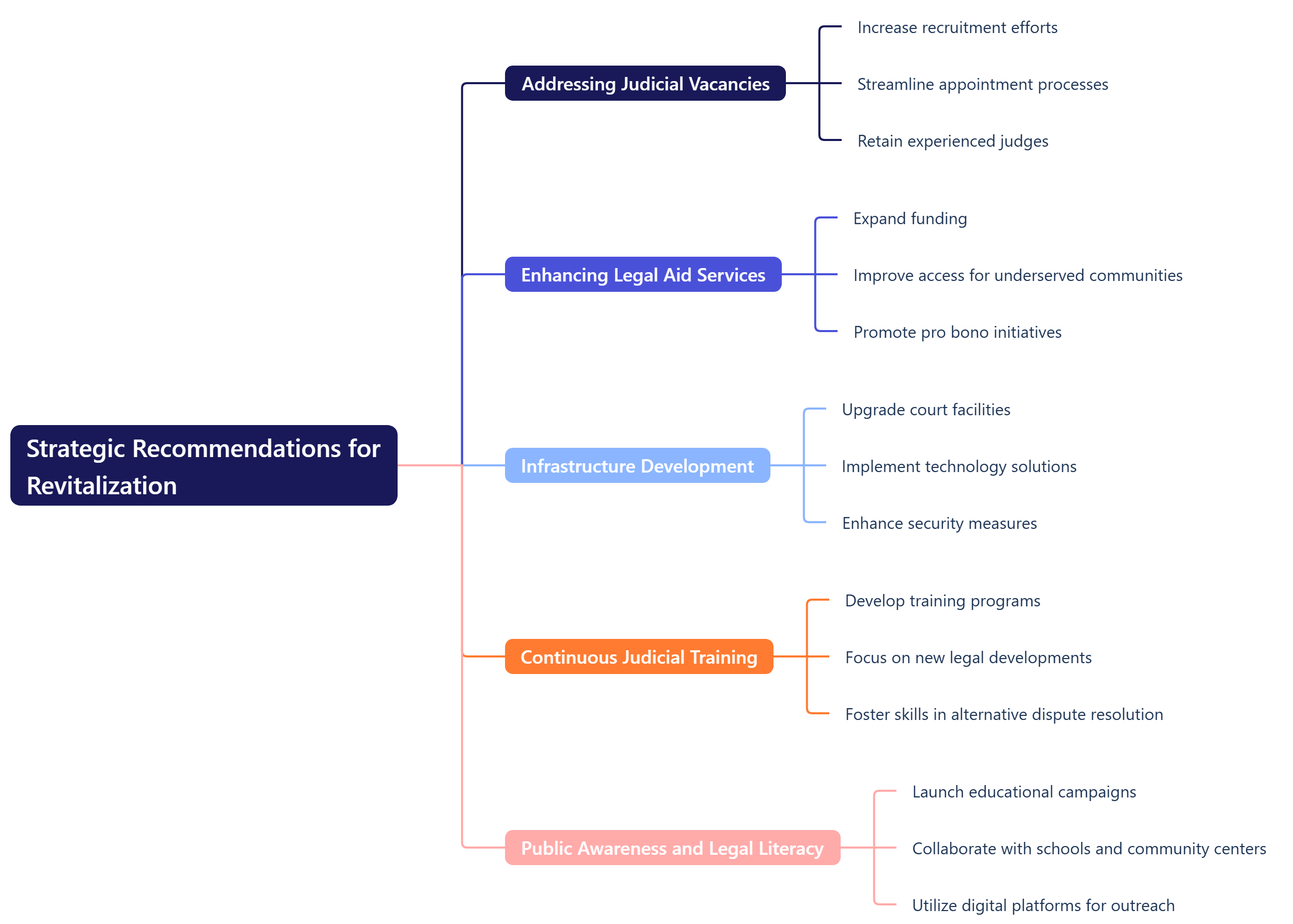
Expediting the appointment process and increasing the sanctioned strength of judges are crucial to reducing case backlogs and ensuring timely justice.
Strengthening legal aid infrastructure, especially in rural and marginalized areas, will promote equitable access to justice. Reviving and expanding legal aid clinics can bridge the gap for underprivileged communities.
Investing in modern court facilities, including adequate courtroom space and technological resources, is essential to accommodate the growing caseload and facilitate efficient proceedings.
Implementing regular training programs for judges and court staff on emerging legal trends and technologies will enhance their capabilities and adaptability.
Promoting legal literacy through educational campaigns can empower citizens to understand their rights and navigate the legal system effectively. ConclusionRevitalizing India’s justice system is pivotal for upholding democratic values and fostering public confidence. By addressing systemic challenges through comprehensive reforms, technological integration, and capacity building, India can pave the way for a more efficient, transparent, and accessible judiciary. Such transformation is essential to realize the nation’s vision of Viksit Bharat 2047, ensuring justice for all. |

One comment