

Tensions Soar after Overnight Cross-Border Strikes
(Relevant for GS Paper)
Overview of the Last Night’s ConflictIn a dramatic escalation of hostilities, India and Pakistan exchanged heavy fire and airstrikes overnight across the Line of Control (LoC), marking one of the most volatile moments in South Asia in recent years. The conflict has drawn global concern, as both nations are nuclear-armed and have a long history of tensions centered on Kashmir. What Happened Last Night (May 8–9, 2025) ?
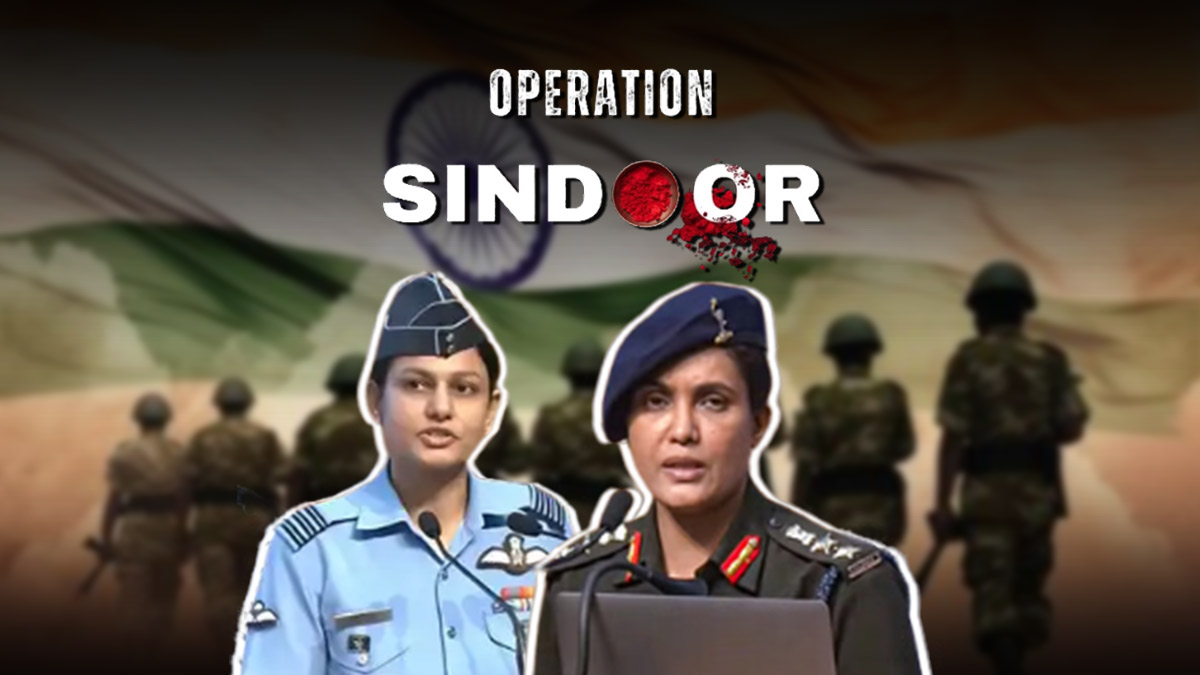
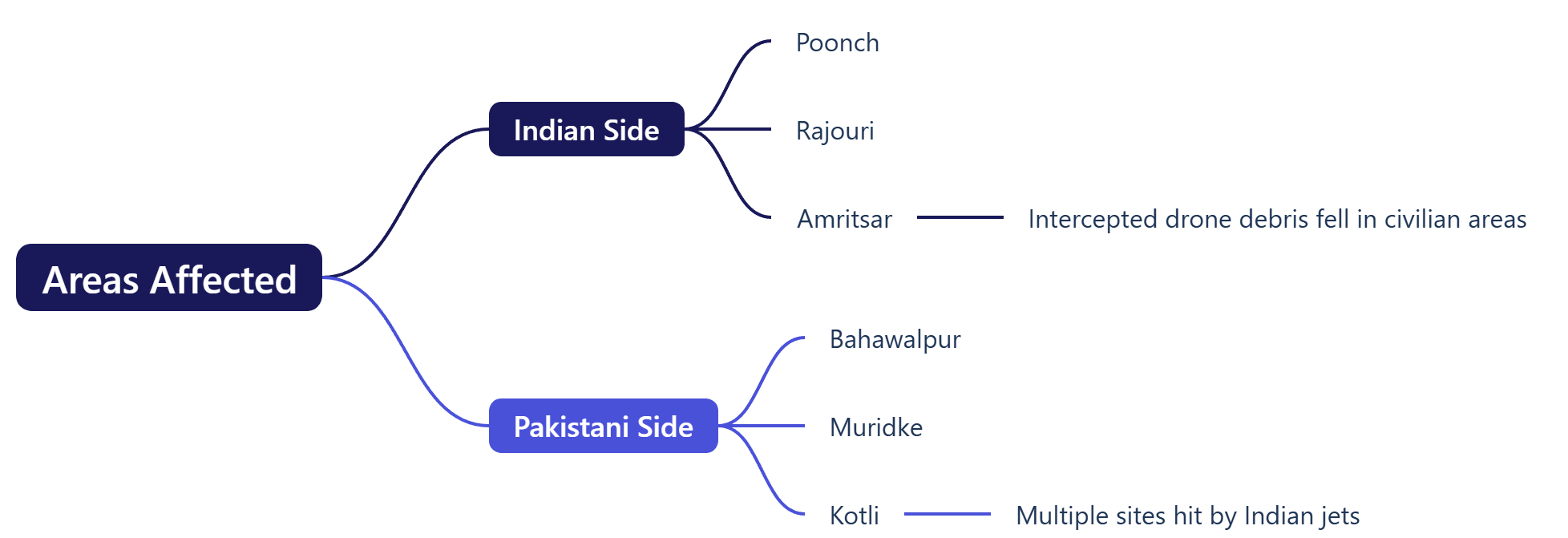
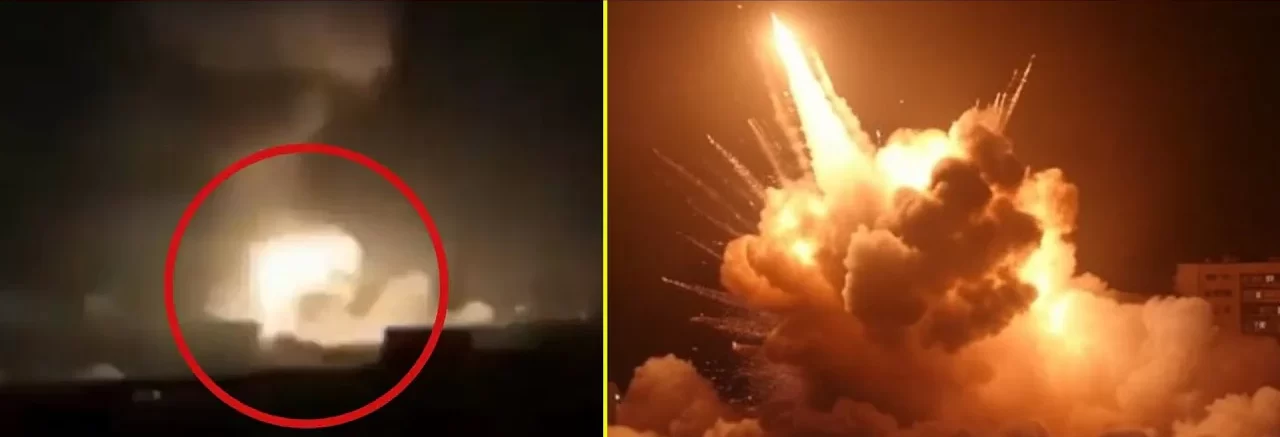
Late in the night of May 8–9, 2025, Indian Air Force launched precision airstrikes targeting terrorist infrastructure in Pakistan-administered Kashmir and parts of Punjab province, as part of Operation Sindoor. The strikes were reportedly aimed at camps affiliated with Jaish-e-Mohammed and Lashkar-e-Taiba—groups India holds responsible for the recent Pahalgam terror attack that killed 27 civilians. In retaliation, Pakistan responded with drone and missile attacks targeting military assets in Indian Punjab and Jammu & Kashmir. India’s advanced S-400 missile defense system was activated and successfully intercepted several incoming threats, marking its first real combat deployment. Areas Affected
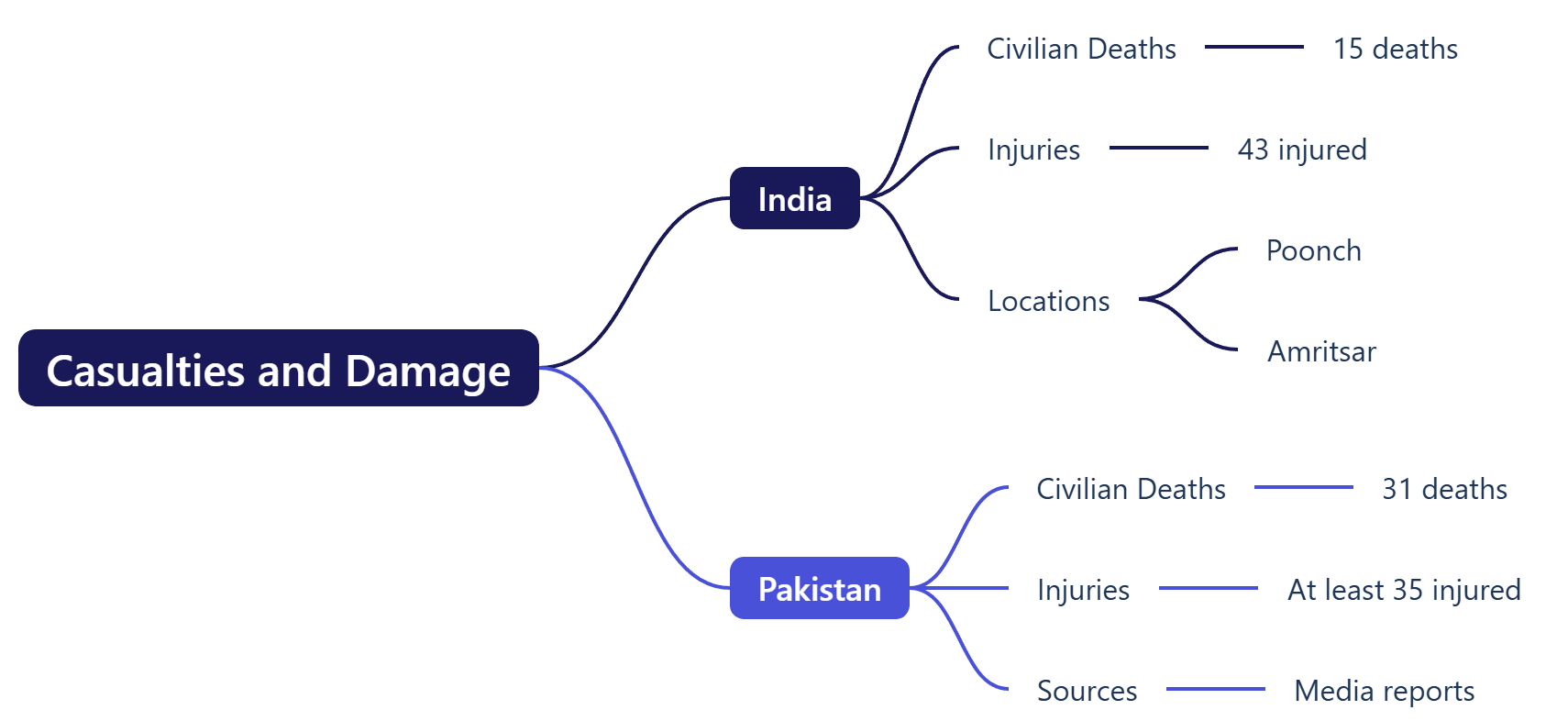
Casualties and Damage
Both nations have accused each other of targeting civilian areas, but claim they only responded in self-defense. Why Now?The immediate trigger was the April 22 Pahalgam massacre, in which Hindu pilgrims were attacked during a yatra. India has held Pakistan-based militants responsible, further souring already strained diplomatic relations. In the days leading up to the strikes, India had:
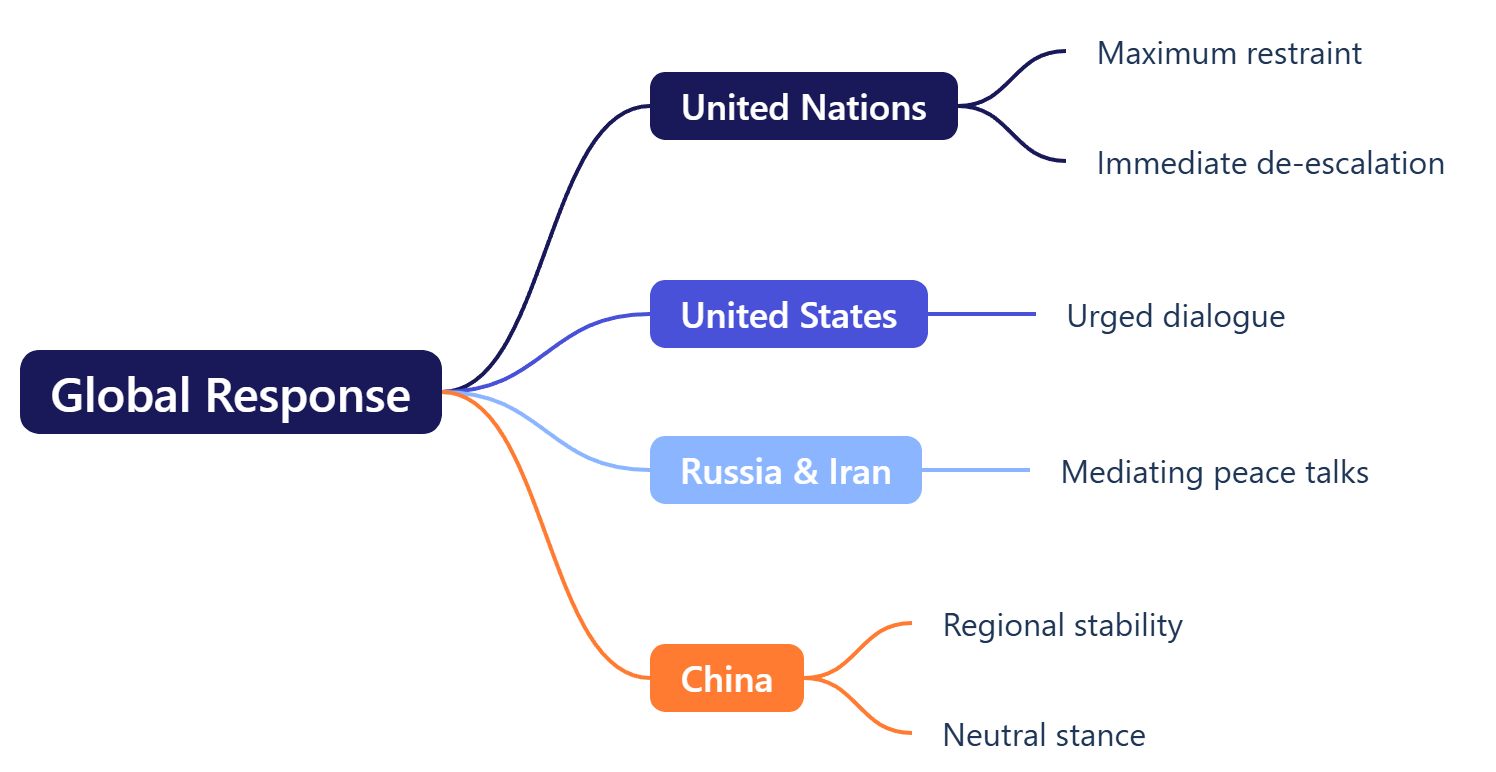
Global Response
Strategic SignificanceThis marks the largest air engagement since the 2019 Balakot strikes, involving more than 120 fighter jets from both sides. India’s Rafale fleet was deployed, while Pakistan scrambled JF-17 Thunder and F-16s. Experts say this conflict may redefine South Asia’s security calculus, especially with high-tech weapon systems like hypersonic drones and AI-based surveillance being used for the first time in actual warfare between the two countries.
What’s Next?With both sides reinforcing troop presence and mobilizing artillery along the LoC, fears of all-out war are rising. However, diplomatic backchannels remain partially open, and many are hopeful that international pressure may bring both nations back from the brink. ConclusionThe India-Pakistan conflict of May 2025 has entered a critical phase. What started as retaliation against terrorism has now snowballed into a cross-border military crisis. As civilians bear the brunt and regional peace hangs in the balance, the coming days will be pivotal for the future of South Asia. |

To Read more topics like Tensions Soar after Overnight Cross-Border Strikes in Public Posts, visit: www.triumphias.com/blogs
Read more Blogs:
India-West Asia Relations: Strategic Partnerships & Future Prospects
How to Write a UPSC Essay? | Vikash Ranjan’s UPSC Essay Writing Strategy
One comment