

Stopping Child Marriage: A Key to Preventing Teenage Pregnancies
(Relevant for Sociology Paper I: Social Institutions – Marriage, Family, and Kinship; Social Change in Modern Society and Sociology Paper II: Social Problems in India – Women and Child Welfare, Health, Education, and Gender Issues)
IntroductionTeenage pregnancy, especially within the context of child marriage, remains a critical social concern in India. According to the World Health Organization (WHO), adolescent pregnancy carries severe physical and psychological consequences. India alone accounts for a significant share of the 21 million adolescent pregnancies recorded annually in low and middle-income countries. Tackling teenage pregnancy in India requires a deep sociological analysis and context-specific interventions. Understanding the Sociological Context in IndiaIn India, child marriage is rooted in age-old customs, patriarchal norms, poverty, and lack of education—especially among marginalized communities. According to the National Family Health Survey (NFHS-5), nearly 23% of women aged 20-24 were married before 18, despite legal prohibitions. Sociological Theories
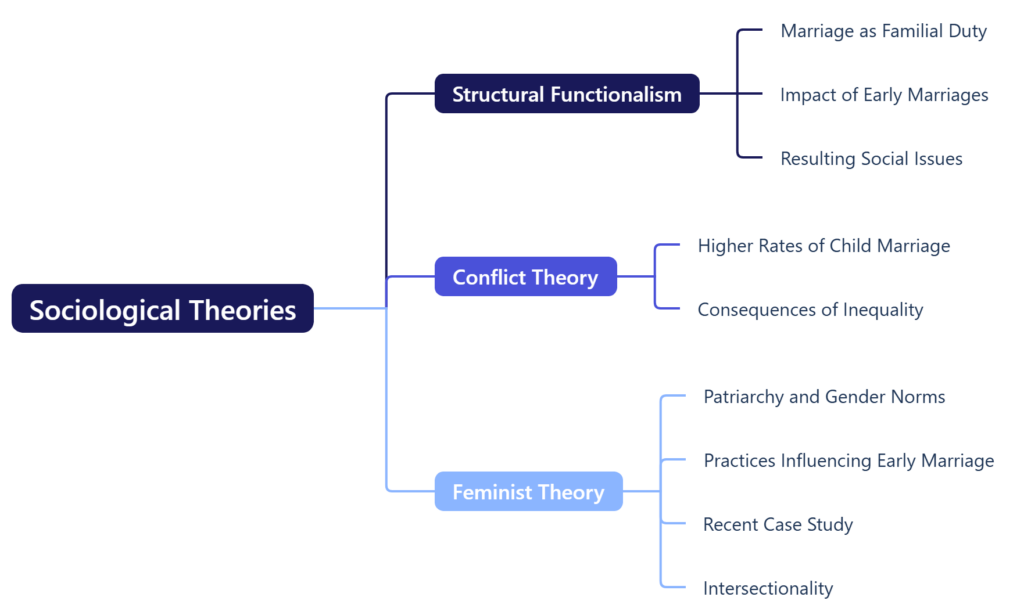
Structural Functionalism: In traditional Indian society, marriage is often seen as a familial duty rather than an individual choice. However, early marriages distort the functional role of young women, disrupting their development, education, and health—leading to social disintegration rather than cohesion. Conflict Theory: The prevalence of child marriage in India is starkly higher in socio-economically backward states like Bihar, Rajasthan, and West Bengal. This highlights how unequal access to resources fuels intergenerational poverty and limits social mobility, reinforcing class-based disparities. Feminist Theory: Indian feminist scholars and activists argue that patriarchy and rigid gender norms lie at the heart of early marriage. Practices like dowry, honor, and control over female sexuality compel families to marry off daughters early. The recent Coimbatore school case also exposed the intersection of caste, gender, and taboo in perpetuating control over adolescent girls. Health Risks of Teenage Pregnancy in India
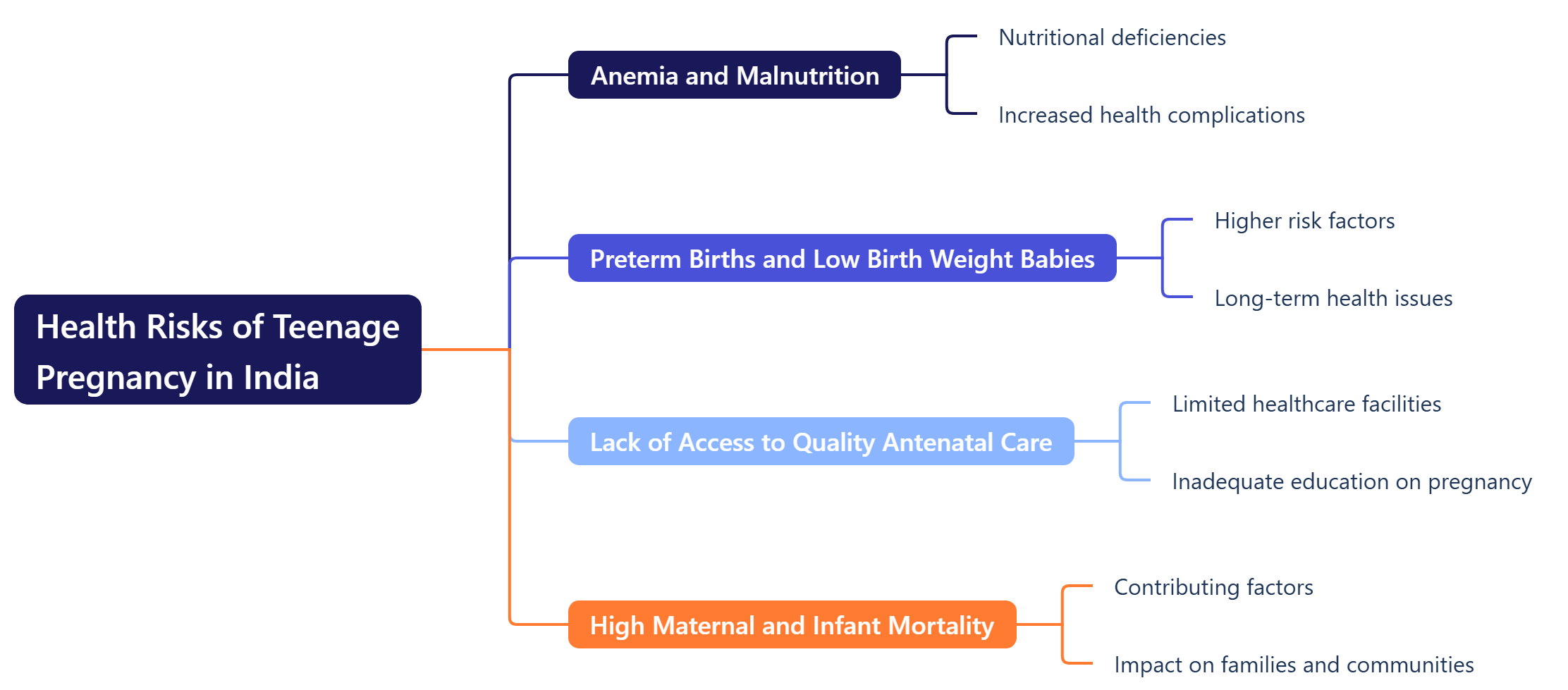
According to the Ministry of Health and Family Welfare, India has one of the highest rates of adolescent maternal deaths in the world. Teenage mothers are more likely to experience:
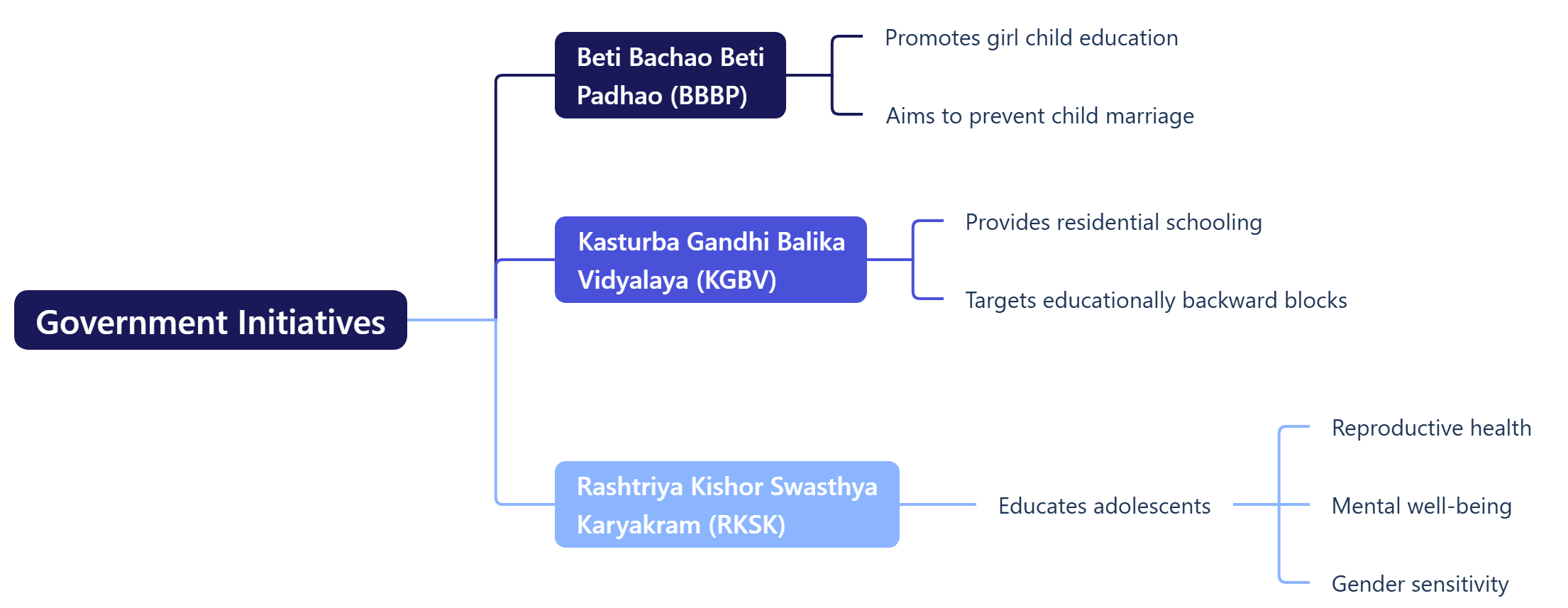
In rural India, poor access to healthcare exacerbates these problems, especially when adolescent girls are unaware of reproductive rights and lack agency in decision-making. Promoting Education and AlternativesUNICEF India reports that child marriage rates could reduce by 64% if all girls completed secondary education. However, school dropout rates among adolescent girls rise significantly post-puberty, especially in rural and tribal areas. Government Initiatives:
Additionally, comprehensive sexuality education (CSE) is essential, though currently resisted in many parts of India due to cultural taboos. Empowering adolescents with scientific knowledge about consent and contraception is crucial to ending teenage pregnancies. WHO Guidelines and Global–Local LinkagesThe WHO’s recent guidelines encourage:
ConclusionCurbing child marriage is pivotal to preventing teenage pregnancies and uplifting young women across India. A multi-pronged approach—combining education, legal enforcement, health services, and awareness—is essential. Addressing the social roots of patriarchy, empowering girls, and involving boys and communities will foster long-term change. Ultimately, ensuring that every girl can choose when and whom to marry is a step toward building a more equitable and progressive India. PYQsPaper 1
Paper 2
|

To Read more topics like Stopping Child Marriage: A Key to Preventing Teenage Pregnancies in Public Posts, visit: www.triumphias.com/blogs
Read more Blogs:
Terrorism and India’s Security Landscape: Challenges and Strategic Responses
Manual Scavenging, Sanitation Work, and the Question of Dignity