Introduction
Modernity, Digital Capitalism, and the Changing Nature of Social Relations
Modernity has always been associated with rapid social change, rationalization, and the reorganization of social life around new forms of power and production. In the 21st century, this trajectory has been profoundly reshaped by digital capitalism—a form of capitalism driven by digital technologies, data extraction, platforms, and algorithmic governance. From social media and e-commerce to artificial intelligence and remote work, digital capitalism is not merely an economic transformation; it is a deep social reconfiguration. It alters how individuals relate to each other, how identities are formed, how power is exercised, and how inequalities are reproduced.
Sociology, as a discipline concerned with understanding patterns of social relations, institutions, and structures, provides critical tools to analyze this transformation. By situating digital capitalism within the broader framework of modernity, we can better grasp its implications for community, intimacy, work, surveillance, and social stratification.
Modernity as a Project of Transformation
Classical sociologists conceptualized modernity as a rupture from traditional social orders. Max Weber emphasized rationalization and bureaucratic control as defining features of modern society, while Émile Durkheim highlighted the shift from mechanical to organic solidarity. Karl Marx, on the other hand, focused on capitalism as the driving force behind social change, alienation, and class conflict.
Digital capitalism can be seen as an advanced phase of modernity, intensifying these classical tendencies. Rationalization now takes the form of algorithms, data analytics, and automated decision-making. Social integration is increasingly mediated through digital networks rather than face-to-face communities. Capital accumulation extends beyond labor and commodities to include data, attention, and behavioral prediction.
Digital Capitalism: From Industrial to Platform Society
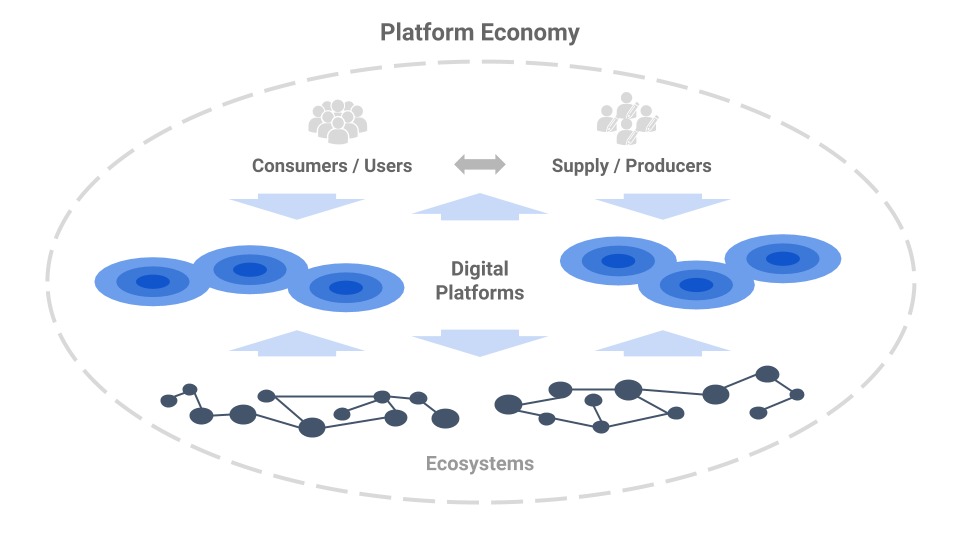
Unlike industrial capitalism, which relied on factories and wage labor, digital capitalism is centered on platforms—such as social media, search engines, ride-hailing apps, and online marketplaces. These platforms do not merely facilitate interaction; they structure and monetize social relations.
Social interactions—likes, shares, comments, searches, and movements—are transformed into data, which is then commodified. This marks a shift from the exploitation of labor alone to the extraction of everyday life. As a result, boundaries between work and leisure, public and private, production and consumption become increasingly blurred.

Changing Nature of Social Relations
1. From Face-to-Face to Mediated Interaction
Digital technologies reshape how individuals connect . Relationships are increasingly mediated by screens, algorithms, and digital norms. While this enables global connectivity and new forms of community, it also weakens traditional bonds based on locality, kinship, and long-term commitment. Sociologically, this reflects a move towards networked individualism, where individuals are embedded in multiple, flexible, and often shallow networks rather than stable groups.
2. Commodification of Sociality
In digital capitalism, social relations themselves become economic resources. Friendships, emotions, opinions, and cultural expressions are monetized through advertising and data analytics. This process deepens Marx’s notion of alienation, as individuals lose control over the social value they collectively create.
3. Algorithmic Power and Social Control
*Power in digital capitalism is increasingly exercised through algorithms that shape visibility, preferences, and opportunities.* These systems influence whom we interact with, what information we consume, and even how we perceive reality. From a sociological perspective, this represents a new form of disciplinary power, less visible but more pervasive than traditional institutions.
Digital Inequalities and Stratification
While digital capitalism promises inclusion and democratization, it often reproduces and intensifies existing inequalities. Access to technology, digital literacy, and algorithmic visibility is unevenly distributed across class, caste, gender, and region—particularly in developing societies.
Moreover, the gig economy exemplifies precarious work relations, characterized by insecurity, lack of social protection, and asymmetrical power between platforms and workers. Thus, digital capitalism reshapes class relations without eliminating exploitation; instead, it reconfigures it in less visible forms.
Culture, Identity, and the Self in the Digital Age
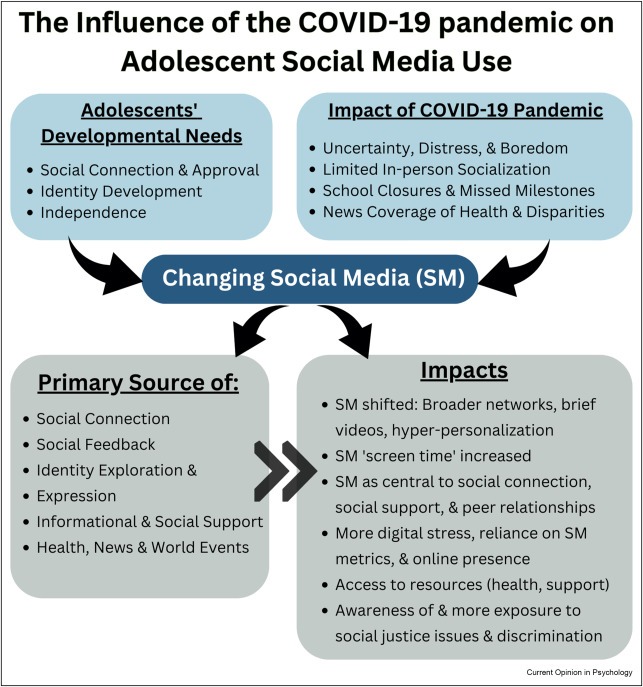
Modernity has long been associated with reflexive identity formation . Digital capitalism amplifies this process by turning the self into a project of continuous online performance. Social media encourages constant self-presentation, comparison, and validation, often leading to anxiety, fragmentation, and emotional labor.
At the same time, digital spaces also enable counter-publics, social movements, and new solidarities. Hashtag activism, online communities, and digital storytelling show that social relations under digital capitalism are contradictory—simultaneously emancipatory and exploitative.
Conclusion
Modernity, in its digital capitalist phase, represents not the end of social relations but their deep transformation. Social life is increasingly mediated, commodified, and governed by digital infrastructures that reshape power, inequality, and identity. Classical sociological concerns—alienation, solidarity, rationalization, and domination—remain deeply relevant, though they now operate through algorithms and platforms rather than factories and bureaucracies alone.
For sociology, the challenge lies in critically analyzing these transformations without technological determinism—recognizing both the constraints imposed by digital capitalism and the possibilities for resistance, regulation, and alternative social futures. Understanding the changing nature of social relations in the digital age is therefore essential not only for academic inquiry but also for democratic governance and social justice.
|

2 comments