
Gender Neutrality Under the POCSO Act
(Relevant for Sociology paper 1: Stratification and Mobility)
|
The Supreme Court of India is currently reviewing a petition challenging the gender-specific interpretation of the POCSO Act, 2012, in a case where a woman is accused of penetrative sexual assault against a minor boy. This has reignited discussions around the gender-neutral nature of the law and its broader social implications. Understanding the POCSO Act, 2012The Protection of Children from Sexual Offences (POCSO) Act, 2012, defines a ‘child’ as any person below 18 years, irrespective of gender. The Act criminalizes a range of sexual offences, including penetrative and non-penetrative sexual assault, sexual harassment, and child pornography. Penetrative sexual assault is defined under Section 3, and Sections 5(k) and 9(k) address aggravated penetrative sexual assault, particularly when the child has mental or physical disabilities. Section 6 prescribes stringent punishments, with a minimum of 20 years of rigorous imprisonment, potentially extending to life imprisonment or even the death penalty in extreme cases. The 2019 Amendment strengthened these penalties and clarified procedural safeguards for child victims. The Act’s intentional broadness, including gender-neutral language, ensures protection for all children, regardless of the gender of either the victim or perpetrator. Child & Constitution of IndiaThe Constitution protects children through various provisions:
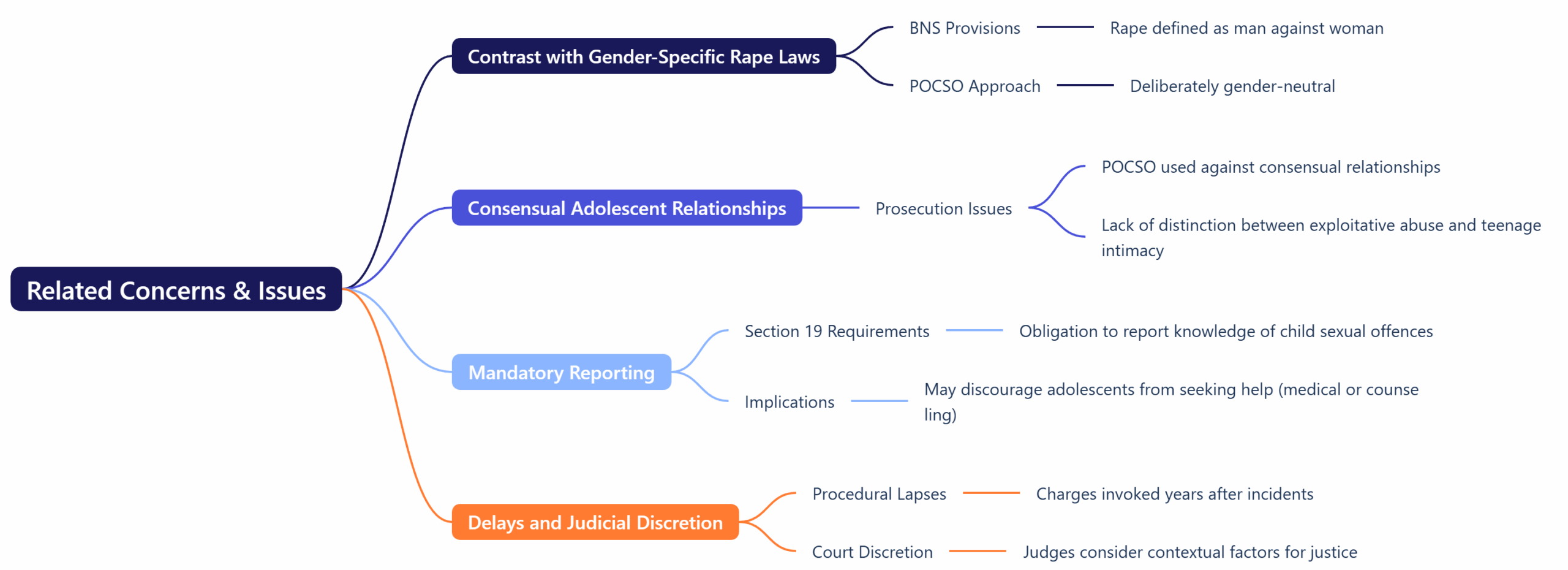
These constitutional safeguards align with POCSO’s protective intent, situating child safety as a fundamental social and legal priority. Legislative Intent & InterpretationAlthough the Act uses masculine pronouns, Section 13(1) of the General Clauses Act, 1897 clarifies that words importing the masculine gender include females unless explicitly stated otherwise. Therefore, the use of ‘he’ in Section 3 does not restrict the offence to male perpetrators. Furthermore, Section 3 extends beyond penile acts, covering digital penetration, object penetration, and oral penetration, and applies to any individual, regardless of gender. The law even addresses situations where a child is compelled to perform such acts, reinforcing gender neutrality. Related Concerns & Issues
Despite its progressive design, the Act faces implementation challenges:
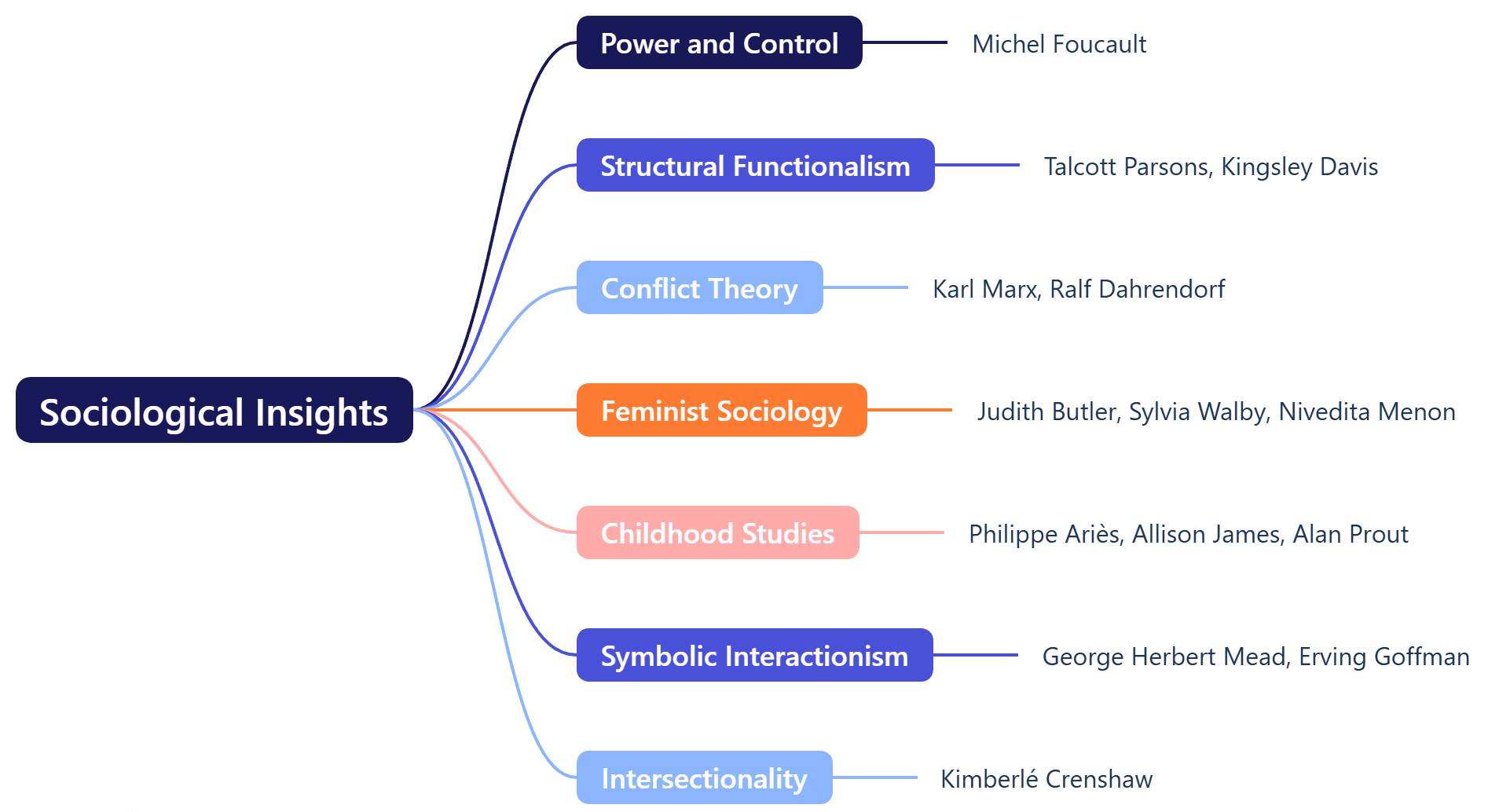
Endorsements of Gender NeutralityLegislative Endorsements: Government clarifications and parliamentary records, especially during the 2019 amendment, have consistently affirmed POCSO’s gender-neutral nature. Judicial Endorsements: Courts have reinforced this principle. The Supreme Court in Sakshi v. Union of India (2004) emphasized that child sexual abuse encompasses acts beyond penile-vaginal intercourse. Karnataka and Delhi High Courts have similarly ruled that women can be prosecuted for penetrative sexual assault, validating gender-neutral application. Sociological Insights
POCSO’s gender-neutral design is not merely a legal matter; it reflects complex social realities. Sociological frameworks provide deeper understanding:
ConclusionThe POCSO Act’s gender-neutral framework is both legally progressive and sociologically sound. It aligns with constitutional mandates, legislative intent, and judicial interpretation, while simultaneously addressing broader social dynamics of power, gender, and childhood vulnerability. By recognizing that perpetrators and victims may be of any gender, POCSO ensures equitable protection for all children, reflecting India’s commitment to safeguarding the rights and dignity of its youngest citizens. In essence, POCSO is a model for inclusive, rights-based legislation that integrates law with sociological insight, ensuring protection, justice, and social awareness go hand in hand. |
To Read more topics, visit: www.triumphias.com/blogs
Read more Blogs:
Reference Group Theory and Its Applicability Across Different Social and Cultural Contexts
Legal Aid in India: A Sociological Perspective on Access, Justice, and Social Equality
2 comments