

Fast-Tracking Renewable Energy Integration
(Relevant for GS Paper-3, Renewable energy)
|
India stands at a pivotal juncture in its energy transition journey, striving to balance rapid economic growth with environmental sustainability. As the world’s most populous nation and a burgeoning economy, India’s commitment to accelerating renewable energy adoption is not just a domestic imperative but a global necessity. The Renewable Energy Landscape in IndiaCurrent StatusAs of December 2024, India’s total renewable energy installed capacity reached 209.44 GW, marking a 15.84% increase from the previous year . This growth underscores India’s commitment to expanding its clean energy portfolio. The breakdown includes
These figures position India as a global leader in renewable energy capacity, reflecting significant strides toward sustainable energy goals. Policy Framework and InitiativesIndia’s renewable energy trajectory is guided by robust policy frameworks and initiatives:
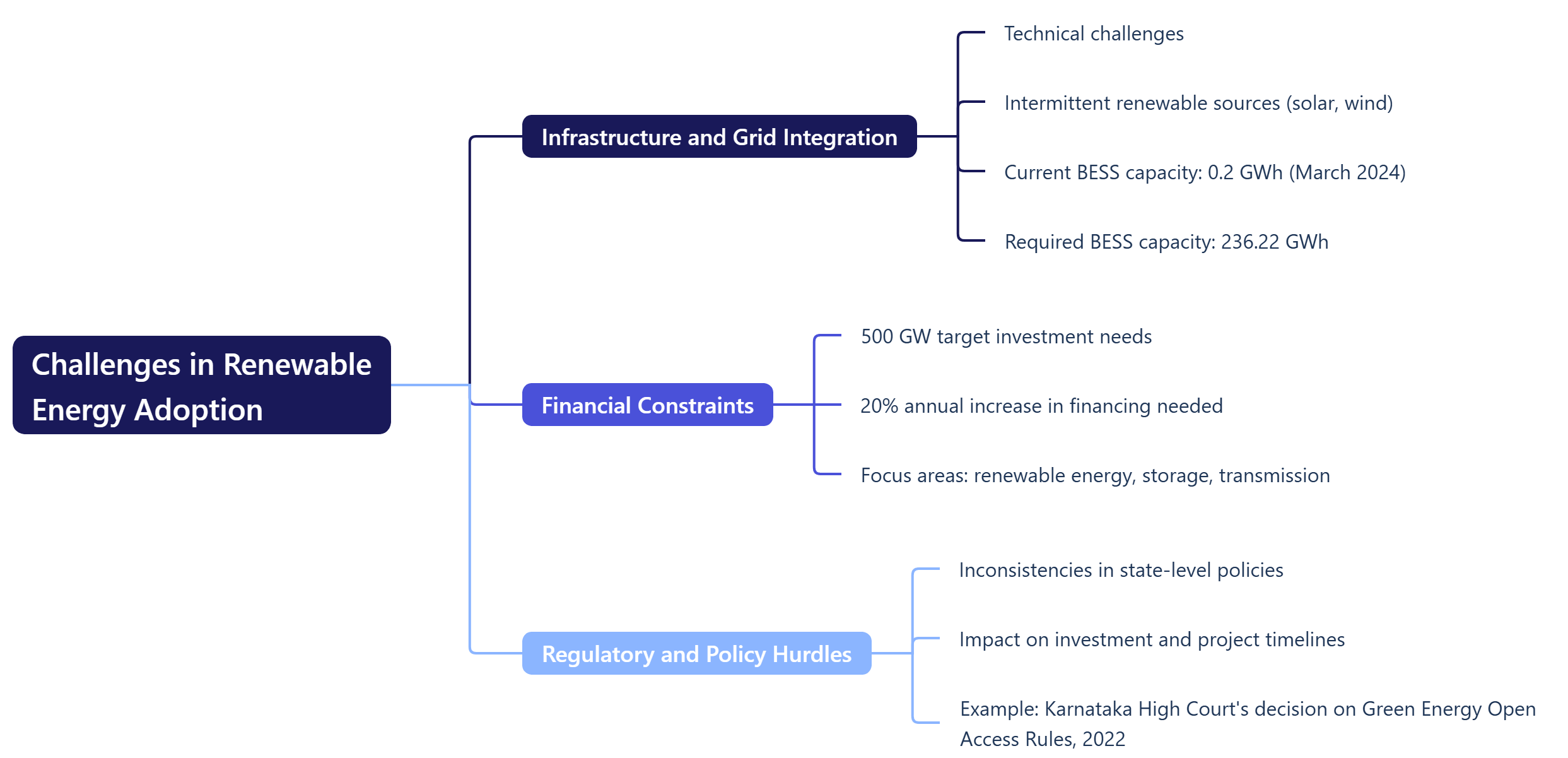
Challenges in Renewable Energy Adoption
Despite commendable progress, India faces several challenges in its renewable energy journey: Infrastructure and Grid Integration Integrating intermittent renewable sources like solar and wind into the existing grid infrastructure poses technical challenges. As of March 2024, India had only 0.2 GWh of Battery Energy Storage Systems (BESS), far below the required 236.22 GWh to support renewable integration Financial Constraints Achieving the 500 GW target necessitates substantial investment. Financing for renewable energy, storage, and transmission must increase by 20% annually to meet the 2030 goals . Regulatory and Policy Hurdles Inconsistencies in state-level policies and regulatory frameworks can deter investment and slow project implementation. For instance, the Karnataka High Court’s decision to strike down the Green Energy Open Access Rules, 2022, disrupted renewable energy procurement avenues . Opportunities and the Way Forward
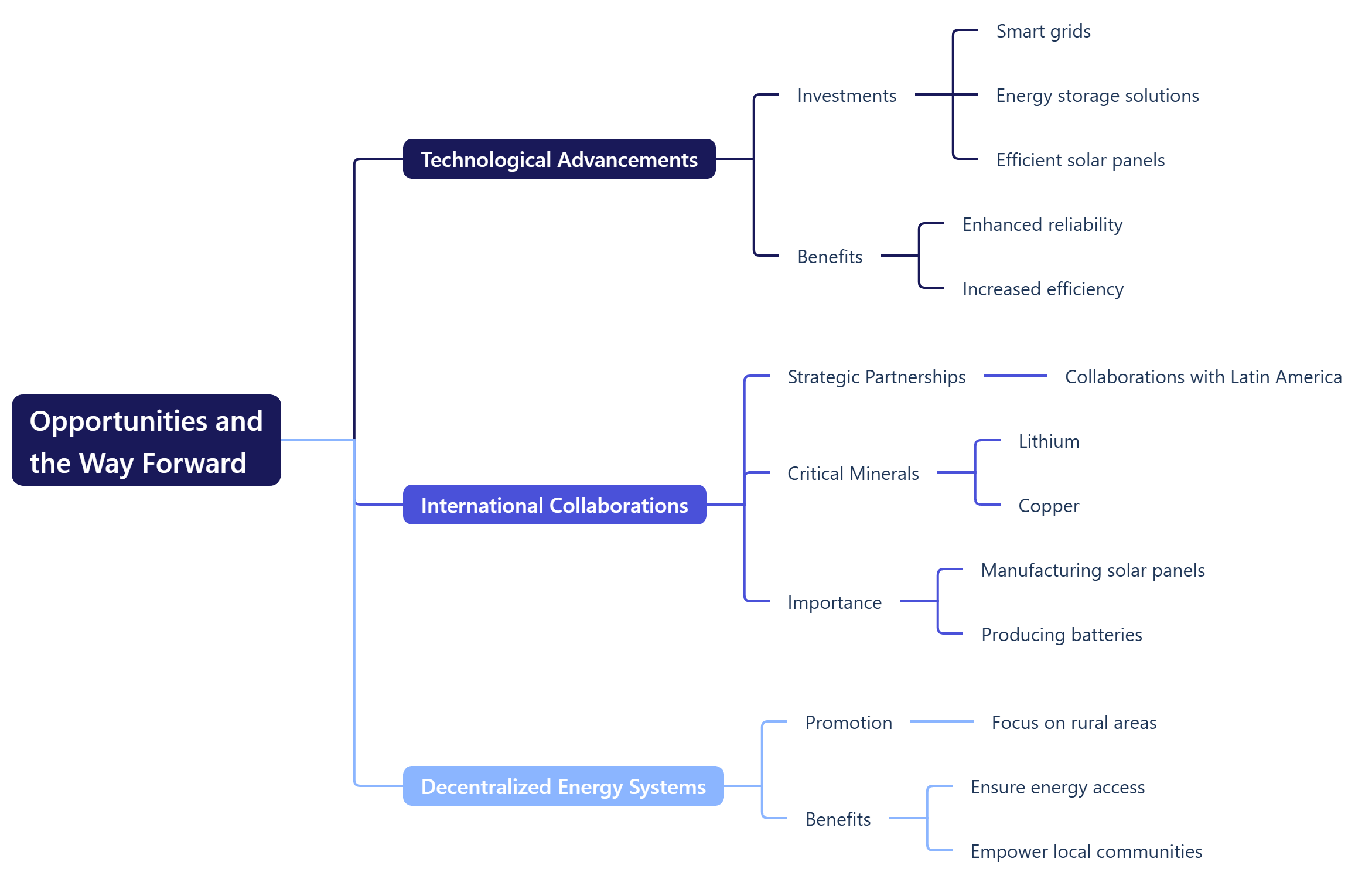
India’s renewable energy sector presents numerous opportunities: Technological Advancements Investments in advanced technologies like smart grids, energy storage solutions, and efficient solar panels can enhance reliability and efficiency. International Collaborations India’s strategic partnerships, such as with Latin American countries for critical minerals like lithium and copper, are vital for manufacturing solar panels and batteries Decentralized Energy Systems Promoting decentralized renewable energy systems, especially in rural areas, can ensure energy access and empower local communities. ConclusionIndia’s commitment to accelerating renewable energy adoption is evident through its ambitious targets, policy initiatives, and substantial capacity additions. While challenges persist, strategic planning, technological innovation, and international cooperation can propel India toward a sustainable energy future. For UPSC aspirants, understanding the multifaceted aspects of India’s renewable energy landscape is crucial, as it intertwines with economic development, environmental sustainability, and international relations. |

One comment