
Accelerating India Energy Transformation through Artificial Intelligence
(Relevant for paper-3, Economic growth)
Introduction: India energy transformationIndia is undergoing a historic transformation in its energy sector, aiming to shift from a fossil fuel-dominated system to a cleaner, more sustainable energy model. With ambitious targets under the Nationally Determined Contributions (NDCs) and the goal of achieving net-zero emissions by 2070, artificial intelligence (AI) is emerging as a crucial enabler. AI technologies are helping optimize energy production, enhance grid efficiency, integrate renewable energy sources, and make energy consumption smarter and more sustainable. This blog explores how AI is accelerating India’s energy transition with recent data and developments relevant for UPSC preparation. The Need for a Technology-Driven Energy TransitionIndia is the world’s third-largest energy consumer, and its demand is expected to double by 2040. Currently, around 50% of India’s installed power capacity comes from non-fossil fuel sources (June 2025), but coal still contributes nearly 55% of actual power generation. Meeting India’s targets—500 GW of non-fossil capacity by 2030, 50% energy from renewables, and net-zero emissions by 2070—requires disruptive technological interventions, where AI plays a pivotal role. Role of AI in Energy Transition
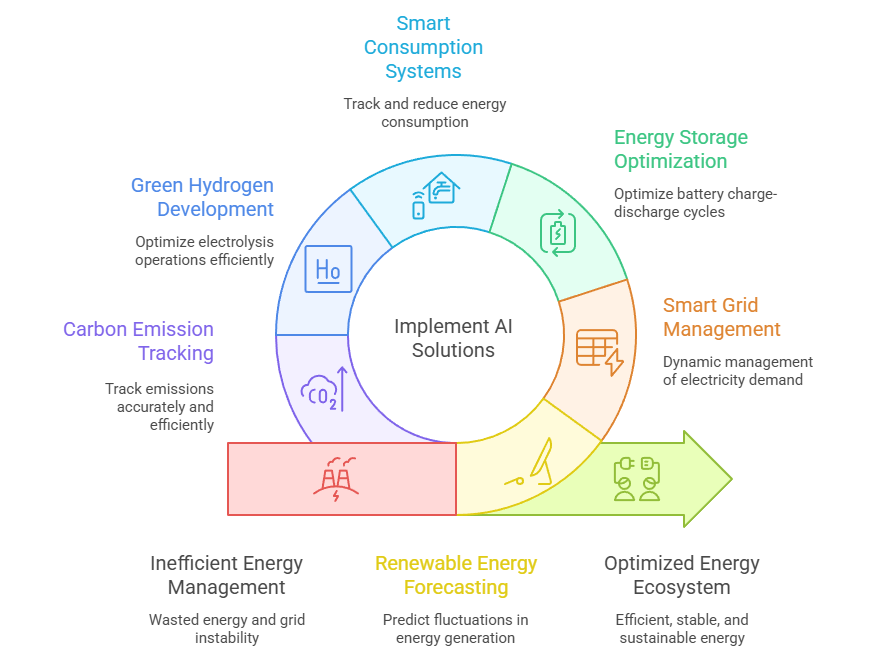
AI algorithms help forecast renewable energy generation, especially solar and wind, which are inherently variable. By using weather data, satellite imagery, and machine learning (ML) models, AI can accurately predict fluctuations in energy generation. This improves planning, reduces curtailment, and enhances grid reliability.
AI facilitates the creation of smart grids, allowing dynamic management of electricity demand and supply. Through AI-powered demand response systems, utilities can balance the grid in real-time, preventing blackouts and managing peak loads.
Energy storage is critical for a renewable-heavy energy system. AI enhances battery performance by predicting charge-discharge cycles, preventing degradation, and optimizing storage utilization, which is essential for renewable integration.
AI-enabled smart meters and home energy management systems help consumers track and reduce their energy consumption. Predictive analytics allows industries to optimize operations and reduce energy wastage.
India’s National Green Hydrogen Mission (2023) aims to produce 5 MMT of green hydrogen annually by 2030. AI can optimize electrolysis operations by predicting renewable availability and optimizing energy consumption during hydrogen production.
AI tools can also track emissions more accurately, helping industries comply with carbon markets and aiding regulators in better monitoring, an essential step with India advancing towards a credible carbon market. Recent Government Initiatives Integrating AI
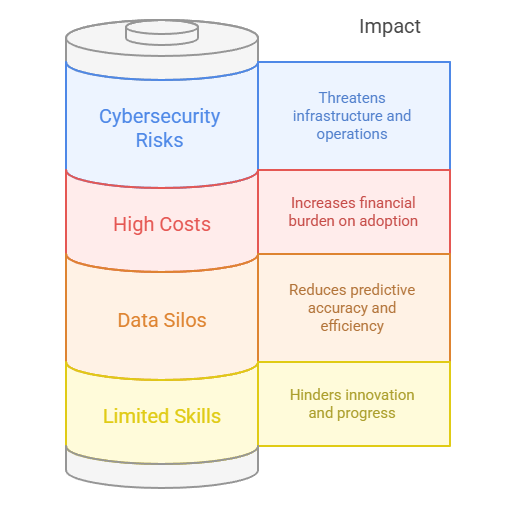
Challenges in AI Adoption
Despite immense potential, AI integration faces challenges in the Indian energy sector:
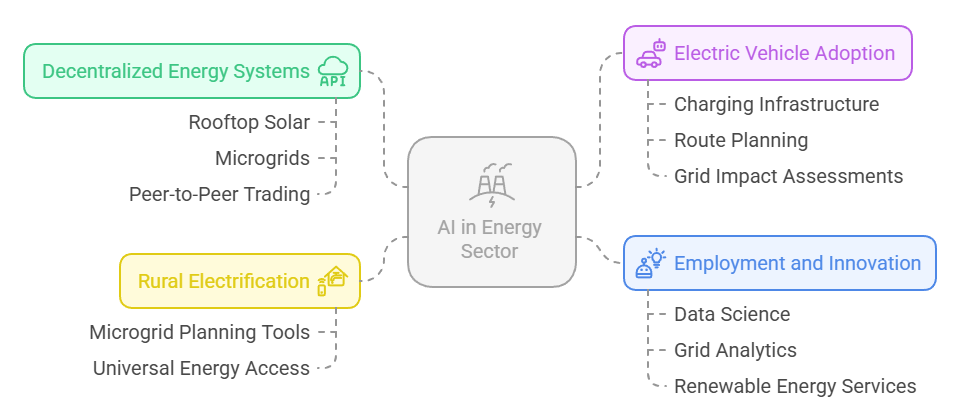
Opportunities and Future Outlook
AI can unlock the potential of decentralized energy, including rooftop solar, microgrids, and peer-to-peer energy trading using blockchain combined with AI for seamless transactions.
AI plays a significant role in optimizing EV charging infrastructure, route planning, and grid impact assessments, crucial for India’s goal of 30% EV penetration by 2030.
AI-based microgrid planning tools can help electrify remote villages more efficiently, aligning with the government’s objectives for universal energy access.
AI in energy can create employment opportunities in data science, grid analytics, and renewable energy services, supporting the broader vision of Atmanirbhar Bharat. ConclusionIndia’s energy transition is not just about switching fuels—it’s about transforming the entire energy ecosystem to be cleaner, smarter, and more inclusive. Artificial Intelligence is rapidly emerging as a game-changer, providing solutions to forecast demand, optimize renewable integration, enhance efficiency, and empower consumers. With the right policies, investments in AI skill-building, and continued focus on technological innovation, AI can be the key to achieving India’s ambitious climate and energy goals while fostering sustainable economic growth. |
To Read more topics, visit: www.triumphias.com/blogs
One comment