

Cyber Threats: An Impediment to India’s Economic Growth
(Relevant for GS Paper-3, Basics of Cyber Security)
|
India’s digital transformation has accelerated over the past decade, driven by initiatives like Digital India, UPI, and the proliferation of fin tech and e-governance platforms. While this digital revolution has enhanced efficiency and inclusivity, it has also exposed the nation to escalating cyber threats. These threats not only compromise data integrity but also pose significant risks to economic stability and growth. The Escalating Cyber Threat Landscape
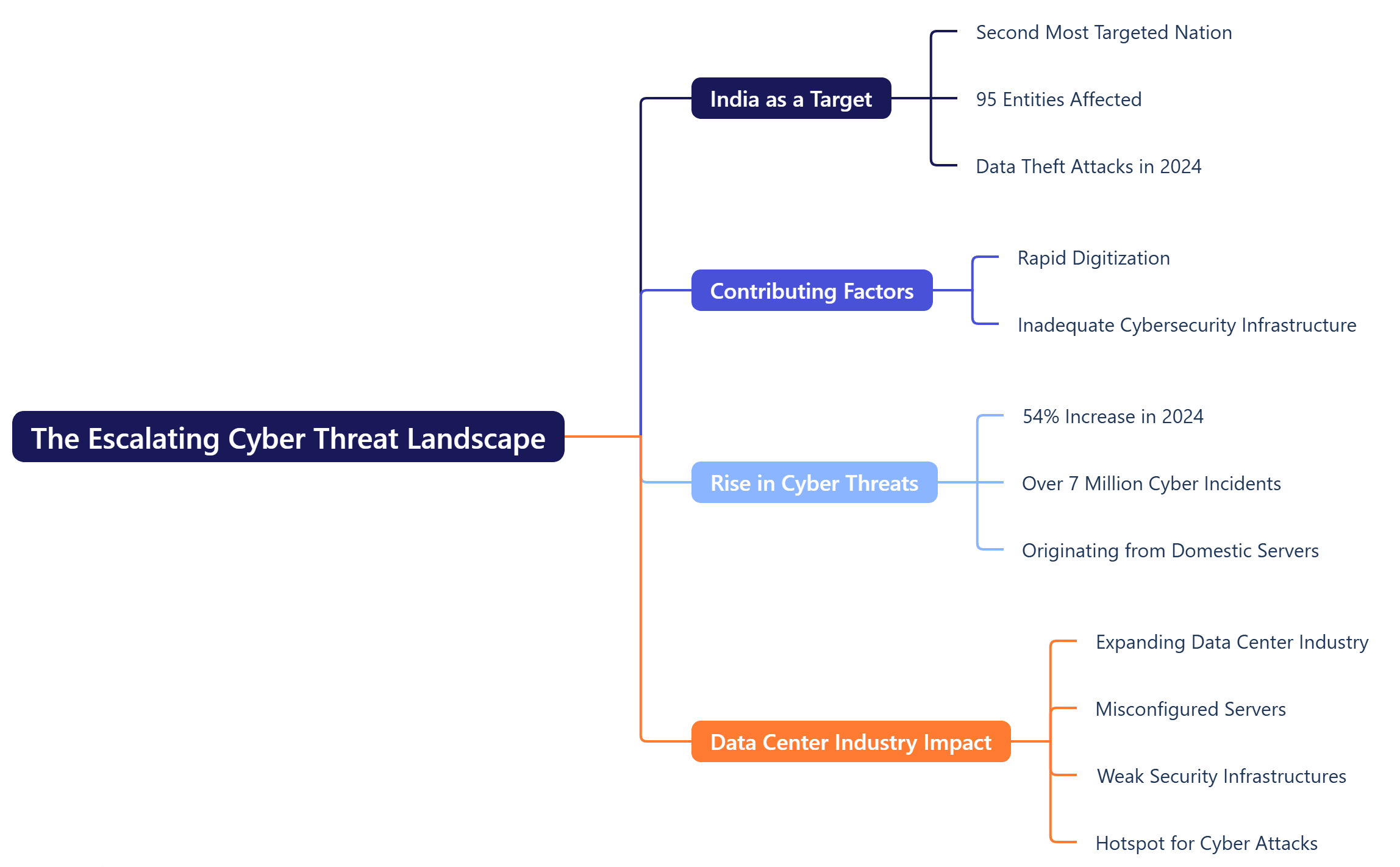
India has emerged as the second most targeted nation globally in terms of cyberattacks, with 95 Indian entities experiencing data theft attacks in 2024 . The country’s rapid digitization, coupled with inadequate cybersecurity infrastructure, has made it a lucrative target for cybercriminals. In 2024, India witnessed a 54% increase in cyber threats originating from servers hosted within the country, recording over 7 million cyber incidents . This surge is attributed to the expanding data center industry, which, due to misconfigured servers and weak security infrastructures, has become a hotspot for cyber attacks. Economic Implications of Cyber ThreatsThe financial repercussions of cyber threats in India are profound. In the first nine months of 2024 alone, the country suffered losses amounting to ₹11,333 crore due to cyber fraud. The average cost of a data breach in India reached $2.18 million in 2024, marking a 28% increase over the past three years . The Banking, Financial Services, and Insurance (BFSI) sector has been particularly vulnerable. In 2024, phishing attacks in India surged by 175% compared to the previous year, significantly impacting the BFSI sector . A ransom ware attack on C-Edge Technologies disrupted payment systems for nearly 300 small Indian banks, highlighting the sector’s susceptibility to cyber threats . Challenges in Cybersecurity Infrastructure
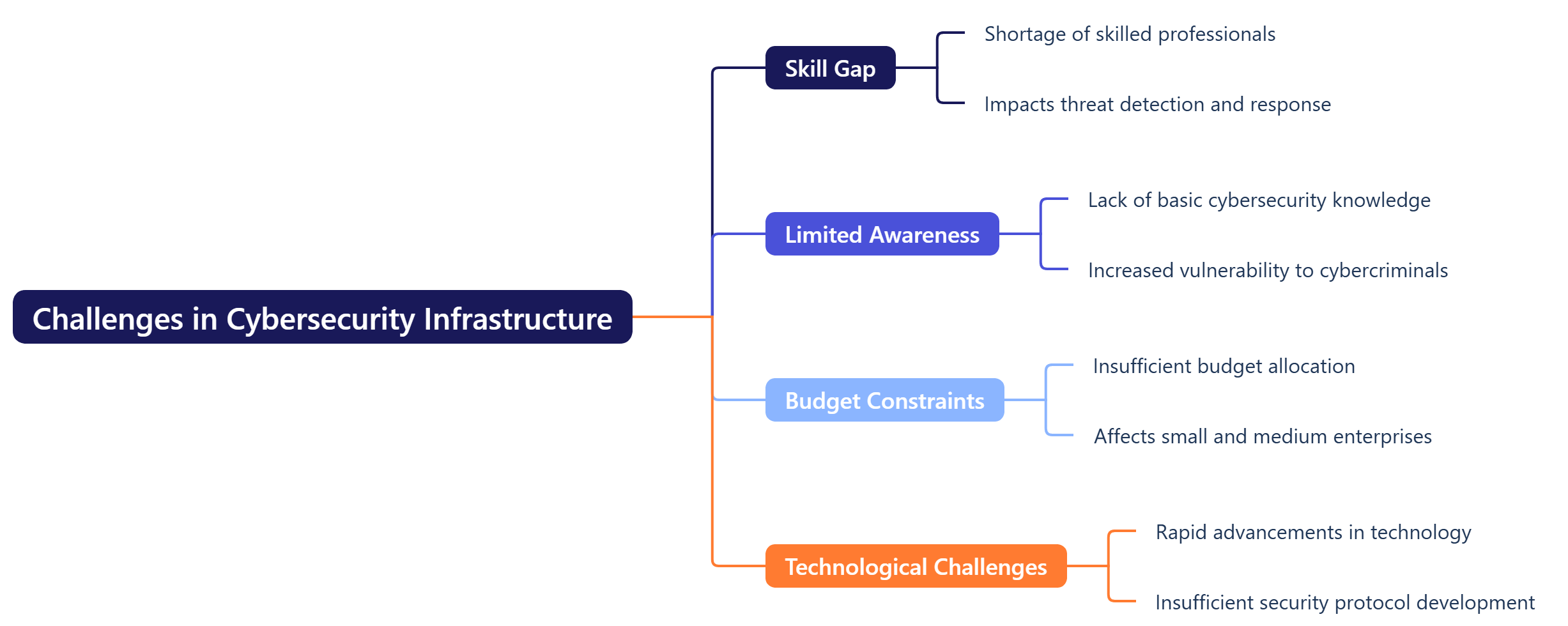
Several factors contribute to India’s vulnerability to cyber threats:
Government Initiatives and Regulatory MeasuresRecognizing the gravity of cyber threats, the Indian government has undertaken several initiatives:
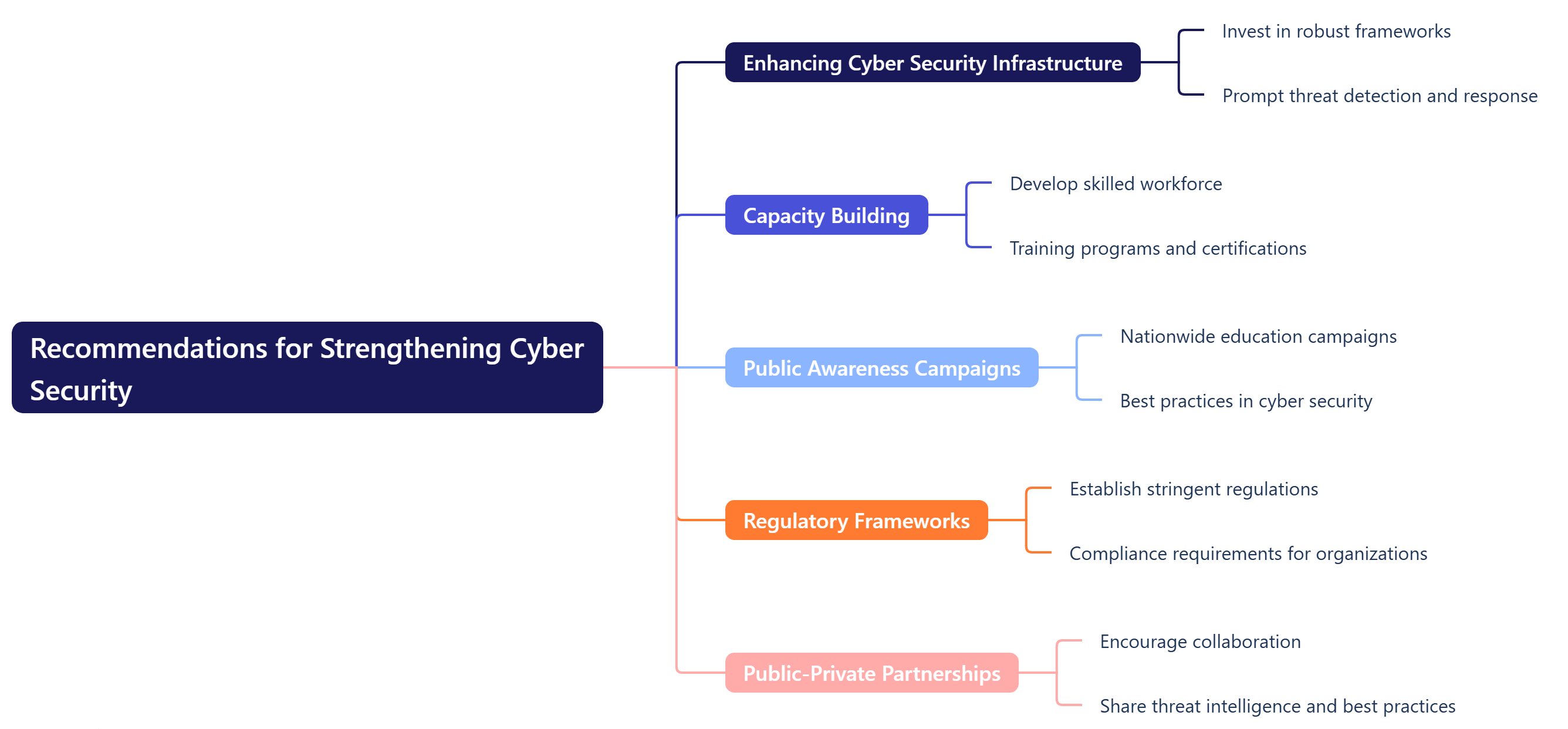
Recommendations for Strengthening Cyber security
To mitigate cyber threats and safeguard economic growth, the following measures are recommended:
ConclusionAs India continues its journey towards a digitally empowered society, addressing cyber security challenges becomes imperative. A secure cyber environment is essential not only for protecting data and privacy but also for ensuring sustained economic growth. By implementing comprehensive cyber security strategies and fostering a culture of cyber awareness, India can fortify its digital infrastructure against emerging threats. |

One comment